

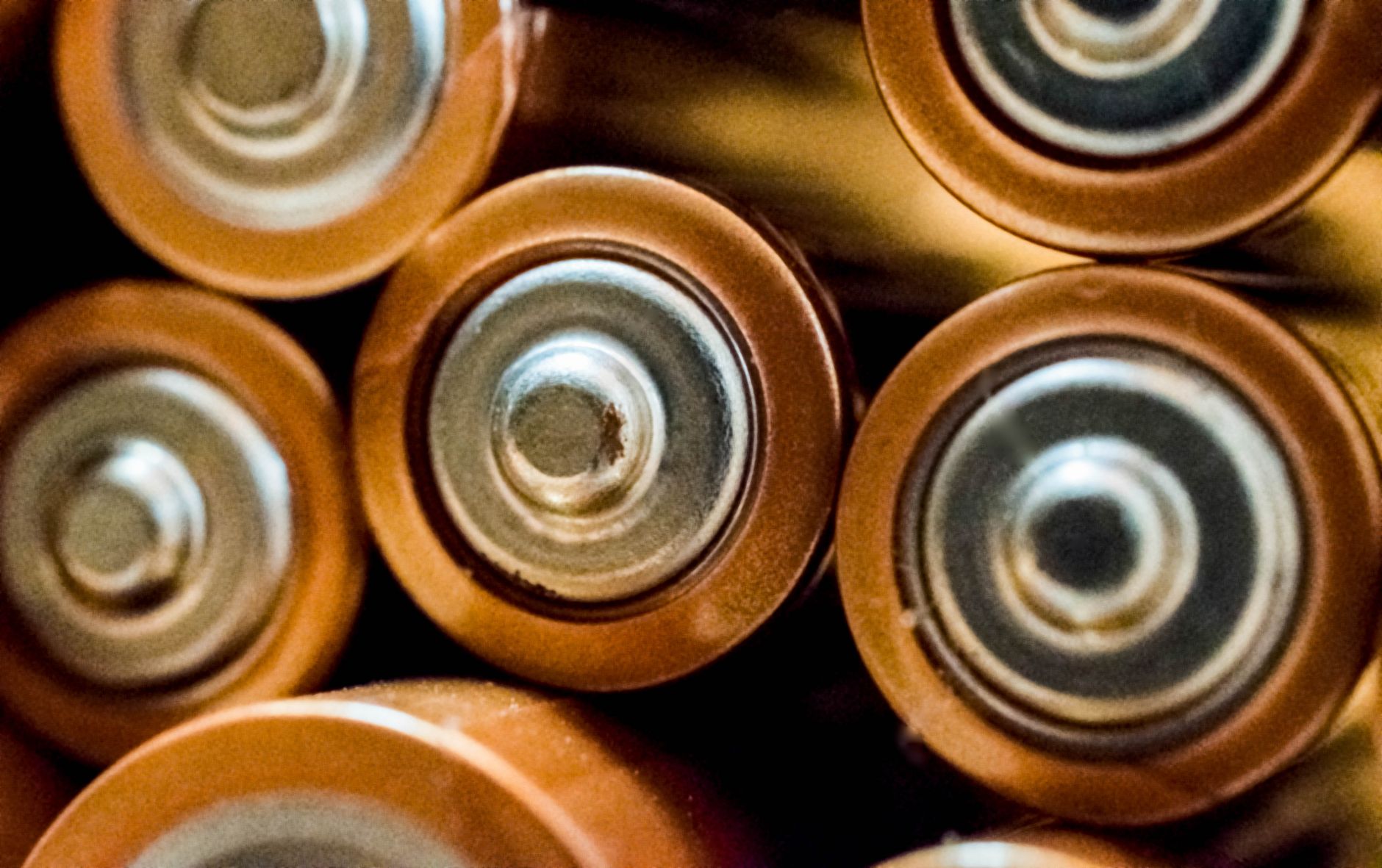
The water-based battery is revolutionizing energy storage, maintaining nearly all its capacity over 1,000 cycles. This innovation could change how we approach sustainable energy.
What is a water-based battery?
A water-based battery is an innovative energy storage technology that utilizes water as the electrolyte, providing a safer and more environmentally friendly alternative to traditional batteries. Unlike lithium-ion batteries, which often contain hazardous materials, water-based batteries leverage the abundant and non-toxic nature of water, making them a compelling choice for sustainable energy solutions.
The core components of a water-based battery include:
- Electrolyte: Water serves as the primary medium for ion movement, facilitating the flow of electrical charge.
- Electrodes: Typically made from materials that can efficiently interact with the aqueous electrolyte, the electrodes play a crucial role in energy conversion.
- Separator: This component prevents short circuits by keeping the electrodes apart while allowing ions to pass through.
One of the significant advantages of water-based batteries is their ability to maintain nearly all their capacity over 1,000 charging cycles, a feat that enhances their longevity and reliability. This durability is essential for applications ranging from renewable energy storage to electric vehicles. As the demand for sustainable energy solutions grows, the water-based battery emerges as a promising option that combines efficiency, safety, and environmental responsibility.
How does it work?
The water-based battery operates on a simple yet effective principle that distinguishes it from traditional batteries. At its core, it utilizes an electrolyte solution composed primarily of water, which serves as the medium for ion transport during the charging and discharging cycles. This design not only enhances safety but also reduces the environmental impact associated with conventional batteries.
When a water-based battery is charged, ions move from the positive electrode to the negative electrode through the aqueous electrolyte. Conversely, during discharge, the ions travel back, releasing energy that can be harnessed for various applications. The ability of water-based batteries to maintain their performance even after extensive use, as evidenced by their capacity retention over 1,000 cycles, highlights their potential advantages.
Key features of water-based batteries include:
- Safety: The use of water significantly lowers the risk of fire and explosion compared to lithium-ion batteries.
- Cost-effectiveness: Water is abundant and inexpensive, making the production of these batteries more economical.
- Environmental sustainability: Water-based batteries are less harmful to the environment, reducing concerns about toxic materials.
This innovative approach positions the water-based battery as a promising contender in the quest for sustainable energy storage solutions.
Advantages of water-based batteries
The advantages of water-based batteries are becoming increasingly evident as researchers and manufacturers explore sustainable energy solutions. These innovative batteries offer several benefits that make them an attractive alternative to traditional lithium-ion options.
- Safety: Water-based batteries are inherently safer due to their non-flammable nature. Unlike lithium-ion batteries, which can pose fire risks, water-based options significantly reduce the chances of thermal runaway.
- Environmental Impact: Constructed using abundant and non-toxic materials, water-based batteries minimize environmental harm. This eco-friendly approach aligns with global efforts to reduce carbon footprints and promote sustainability.
- Cost-Effectiveness: The materials used in water-based batteries are generally less expensive than those required for lithium-ion batteries. This can lead to lower production costs, making them a more economically viable option for large-scale applications.
- Longevity: Recent studies have shown that water-based batteries can maintain nearly all their capacity over 1,000 cycles. This longevity not only enhances their practicality but also positions them as a reliable choice for long-term energy storage solutions.
With these advantages, water-based batteries are emerging as a promising contender in the battery technology landscape, potentially revolutionizing energy storage strategies.
Comparing water-based batteries to lithium-ion
When comparing water-based batteries to traditional lithium-ion batteries, several key differences emerge that highlight the potential advantages of water-based technology. Water-based batteries utilize a non-toxic electrolyte solution, which significantly reduces the environmental impact associated with lithium-ion batteries that rely on rare and hazardous materials.
One of the most notable benefits of water-based batteries is their stability. While lithium-ion batteries can be prone to overheating and even catastrophic failure in certain conditions, water-based batteries operate at much lower temperatures and are less susceptible to thermal runaway. This inherent safety feature makes them an attractive option for various applications.
Another crucial factor in this comparison is longevity. Recent studies have shown that water-based batteries can maintain nearly all their capacity over more than 1,000 cycles, far surpassing the typical lifespan of lithium-ion batteries, which often degrade significantly after several hundred charge cycles.
Furthermore, the production of water-based batteries involves less complicated manufacturing processes, potentially leading to lower costs and a more sustainable supply chain. However, lithium-ion technology continues to dominate the market due to its higher energy density and established infrastructure.
As research continues, it remains to be seen whether water-based batteries can truly emerge as a viable alternative to lithium-ion solutions.
Real-world applications of water-based batteries
Water-based batteries are emerging as a viable alternative in various real-world applications, showcasing their potential to revolutionize energy storage. One of the most promising sectors is renewable energy, where these batteries can store energy generated from solar and wind sources. Their ability to maintain capacity over extensive use, as highlighted by recent studies, makes them well-suited for this purpose.
In addition to renewable energy storage, water-based batteries are being utilized in electric vehicles (EVs). As the automotive industry shifts towards more sustainable options, these batteries offer a less toxic and more environmentally friendly solution compared to traditional lithium-ion batteries. This transition could significantly reduce the carbon footprint associated with EV production and operation.
Another area of application is grid storage. Water-based batteries can help balance supply and demand on the electrical grid, providing backup power during peak usage times. This capability is crucial as more consumers and businesses adopt renewable energy sources.
Furthermore, researchers are exploring the use of water-based batteries in portable electronic devices, where safety and longevity are paramount. Overall, the versatility of water-based batteries positions them as a leading candidate in the ongoing search for sustainable energy solutions.
The future of energy storage technology
The future of energy storage technology is increasingly leaning towards sustainable and efficient solutions. Among the various innovations, the water-based battery stands out as a promising contender. This technology offers a safe and environmentally friendly alternative to traditional batteries, which often rely on hazardous materials. With advancements in research and development, the potential of water-based batteries continues to expand.
As energy demands rise globally, the quest for effective storage systems becomes crucial. Water-based batteries can potentially provide a reliable solution, capable of maintaining their capacity over extended periods, as evidenced by recent studies demonstrating their performance over 1,000 cycles. This longevity not only enhances their appeal for consumer electronics but also positions them as viable options for larger applications, such as renewable energy integration and electric vehicles.
Moreover, the scalability of water-based batteries allows for their incorporation into various sectors, including residential, commercial, and industrial applications. As researchers continue to optimize their efficiency and reduce production costs, water-based batteries could play a pivotal role in the transition towards a more sustainable energy landscape. With ongoing innovations, the future of energy storage technology may very well be dominated by water-based solutions that prioritize safety, performance, and environmental responsibility.
Challenges in adopting water-based batteries
While water-based batteries present numerous advantages, several challenges hinder their widespread adoption in the energy storage market. One of the primary concerns is energy density. Compared to traditional lithium-ion batteries, water-based batteries often have lower energy density, meaning they store less energy in the same amount of space. This limitation can make them less suitable for applications that require compact and lightweight energy solutions.
Additionally, the cost of production remains a significant barrier. Although water-based batteries use abundant and less expensive materials, the technology for manufacturing them at scale is still developing. High initial investment costs for research and production facilities can deter companies from transitioning to this innovative technology.
Moreover, performance in extreme conditions, such as very low or high temperatures, can affect the reliability of water-based batteries. Ensuring consistent performance across diverse environments is essential for customer acceptance and safety.
Lastly, public perception plays a role. Many consumers and businesses are accustomed to lithium-ion technology, and overcoming the skepticism regarding the reliability and efficiency of water-based batteries is crucial for their market penetration.
Addressing these challenges will be essential for the successful integration of water-based batteries into the energy landscape.
Expert opinions on battery innovations
Experts in the field of energy storage are increasingly optimistic about the potential of water-based batteries. According to Dr. Emily Hart, a leading researcher in battery technology, “The durability and safety of water-based batteries make them a compelling alternative to traditional lithium-ion solutions.” She emphasizes that their ability to maintain capacity over numerous charge cycles positions them as a strong candidate for widespread adoption.
Additionally, Professor Mark Liu, an electrical engineer, highlights the environmental benefits, stating, “Water-based batteries utilize non-toxic materials, significantly reducing the ecological footprint associated with battery production and disposal.” This aligns with global initiatives aimed at promoting sustainable energy solutions.
However, some experts urge caution. Dr. Sarah Kim, a battery innovation specialist, notes, “While water-based batteries show promising results, scalability remains a challenge.” She points out that further research and development are crucial to optimize their performance and manufacturing processes.
Despite these challenges, the consensus among experts is clear: water-based batteries could revolutionize energy storage. As innovations continue to emerge, the industry is eager to see how these technologies evolve and potentially reshape the future of energy consumption.
The development of a water-based battery offers a promising alternative to traditional energy storage solutions. As researchers continue to explore the potential of a water-based battery, its environmental benefits and safety features may position it as the best proven solution for sustainable energy needs.
Photo by Hilary Halliwell on Pexels
Sources
Related reading
- SpaceX Starship launch: Is it the best catch ever?
- Windows 11 Run dialog: Best Simple Redesign You’ll Love
- Sahyadri margin: Is 19.5% the Best Growth for Tech Apps?
 Jeffrey Brooks