

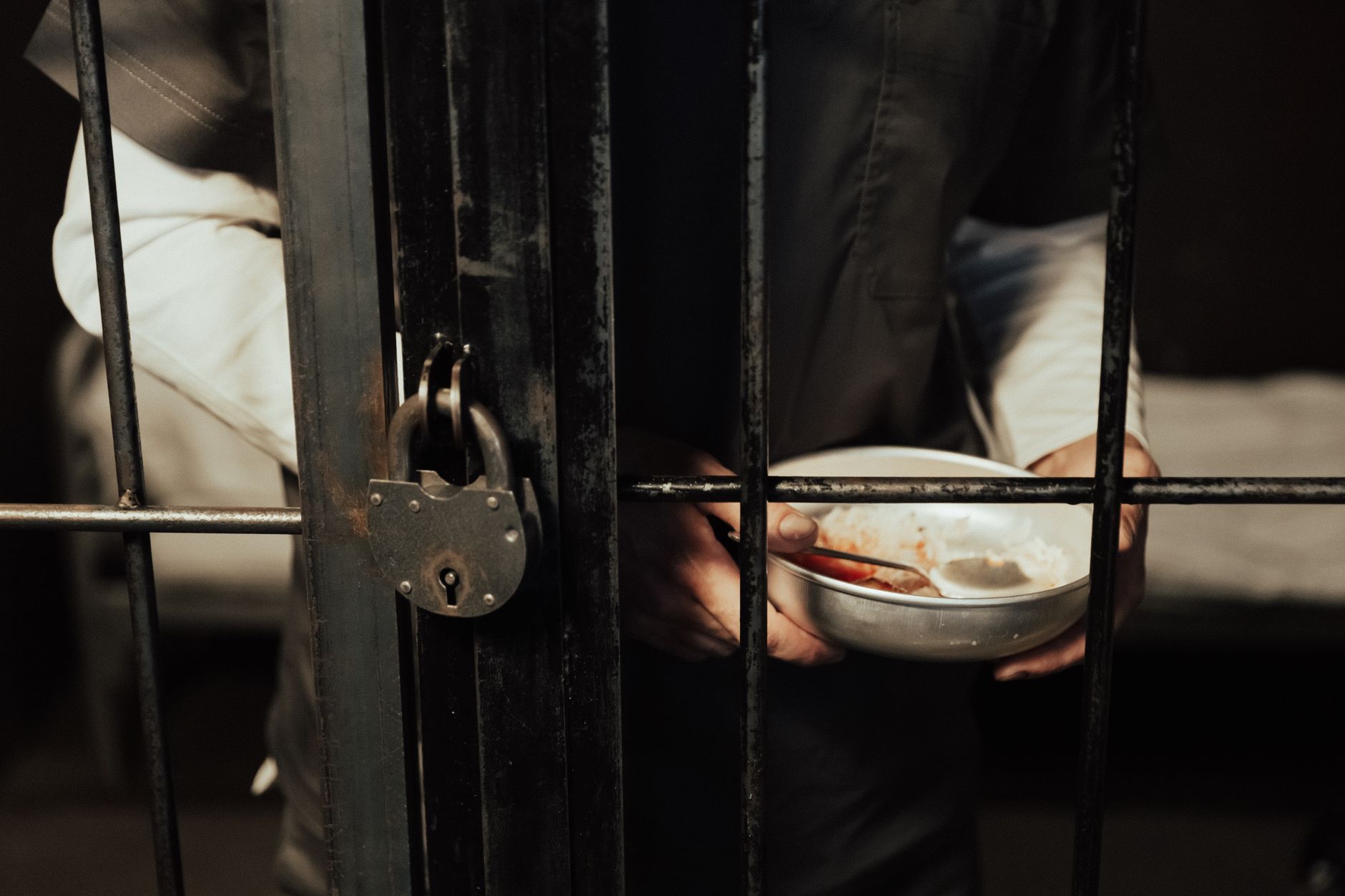
Lee’s Jailbreak Law has become a focal point of debate, with opposition leaders criticizing the special counsel bill as a dangerous move for justice in South Korea.
Understanding Lee’s Jailbreak Law
Lee’s Jailbreak Law has emerged as a contentious topic in the ongoing political discourse, particularly after the Opposition Leader referred to it as a “special counsel bill” that poses significant risks to public safety. This law seeks to redefine the parameters under which special counsels can operate, raising concerns about accountability and oversight.
The primary objectives of Lee’s Jailbreak Law include:
- Expanding the authority of special counsels, allowing them to pursue a wider range of investigations without the usual checks and balances.
- Reducing the oversight of legislative bodies, which critics argue may lead to potential abuses of power.
- Facilitating quicker investigations but at the expense of thoroughness and transparency.
Opponents of the bill argue that it could effectively “jailbreak” the system of checks and balances designed to prevent overreach. They express fears that the law could enable politically motivated investigations that lack necessary scrutiny. Furthermore, the implications for public trust in the judicial process are significant, as citizens may question the integrity of investigations conducted under such expanded powers.
As debates continue, the future of Lee’s Jailbreak Law remains uncertain, with both sides presenting compelling arguments regarding its potential impact on governance and justice.
The Political Implications of the Bill
The political implications of Lee’s Jailbreak Law are far-reaching, affecting not only the current administration but also shaping future governance. As the opposition criticizes the bill, they argue that it undermines the integrity of the justice system and sets a dangerous precedent for how special counsels can operate.
Supporters of the bill contend that it is a necessary reform aimed at increasing accountability and transparency within the government. However, many political analysts warn that such reforms may lead to unintended consequences, including a potential overreach of power by special counsels.
Key political figures have expressed concerns about how the bill could be weaponized for partisan purposes. Some argue that Lee’s Jailbreak Law could create an environment where special counsels might pursue investigations that are driven by political motives rather than legitimate legal concerns. This could erode public trust in the judicial system, leading to increased polarization among constituents.
As the debate continues, various stakeholders have taken positions on the bill:
- Opposition Leaders: Call for a comprehensive review of the bill’s implications.
- Supporters: Argue it is essential for holding officials accountable.
- Political Analysts: Warn of potential abuse and loss of public trust.
The coming weeks will be critical as the political landscape shifts in response to the fallout from Lee’s Jailbreak Law.
Opposition’s Response to the Legislation
The recent introduction of Lee’s Jailbreak Law has sparked significant backlash from opposition leaders and various advocacy groups. Critics argue that the legislation undermines the integrity of the justice system and could lead to serious repercussions for public safety.
Many opponents have expressed concern about the potential for abuse of power inherent in the bill. They emphasize that allowing special counsel to operate with minimal oversight may lead to political motivations influencing judicial decisions. The following points summarize the key aspects of the opposition’s response:
- Public Safety Concerns: Opponents assert that Lee’s Jailbreak Law could result in the early release of dangerous offenders, jeopardizing community safety.
- Judicial Independence: Critics argue that the bill threatens the independence of the judiciary by granting excessive power to special counsels, which could politicize legal proceedings.
- Transparency Issues: There are fears that the lack of transparency in the special counsel process could lead to a loss of public trust in the justice system.
- Political Weaponization: Many have warned that the legislation could be used as a tool for political retribution, undermining the principle of fair justice.
As opposition leaders rally against Lee’s Jailbreak Law, they are intensifying their efforts to mobilize public opinion against the bill, urging citizens to voice their concerns to lawmakers.
Public Opinion on Special Counsel Bills
As discussions surrounding Lee’s Jailbreak Law continue, public opinion remains sharply divided on the implications of special counsel bills. Many citizens are concerned about the potential for abuse of power, particularly in how special counsels may operate with limited oversight. Critics argue that such legislation undermines the integrity of the legal system, while supporters believe it is necessary to ensure accountability for government officials.
Recent polls indicate that a significant portion of the population is wary of the special counsel’s authority. Key findings include:
- 45% of respondents express concern that the provisions in Lee’s Jailbreak Law could lead to politically motivated investigations.
- 32% believe that the law is essential for maintaining checks and balances within government institutions.
- 23% remain undecided, indicating a lack of awareness or understanding of the bill’s specifics.
Furthermore, public forums and town hall meetings have seen a rise in engagement, with citizens eager to voice their opinions. Some argue that the bill could foster transparency and accountability, while others fear it may create a pathway for partisan manipulation.
As the debate evolves, it is evident that Lee’s Jailbreak Law will continue to be a focal point of discussion, with implications that could shape the political landscape for years to come.
Comparative Analysis with Previous Laws
The discussion surrounding Lee’s Jailbreak Law inevitably leads to a comparative analysis with previous special counsel laws. Historically, special counsel regulations have been established to ensure independent investigations, particularly in politically sensitive cases. However, the framework has evolved, paving the way for significant variations in the authority and scope of special counsels.
One of the key differences between Lee’s Jailbreak Law and prior legislation is the degree of oversight granted to the executive branch. Under earlier laws, special counsels operated with a certain degree of autonomy, limiting interference from political entities. In contrast, this new legislation appears to provide more leeway for executive oversight, raising concerns about potential biases in investigations.
Additionally, previous laws often included stringent guidelines for the appointment and removal of special counsels. The current bill, however, introduces more ambiguous language, which critics argue could undermine the integrity of special counsel investigations. This ambiguity has sparked fears that political agendas might influence the appointment process, compromising the independent nature that previous laws aimed to protect.
Moreover, while past legislation focused on ensuring transparency and accountability, Lee’s Jailbreak Law has faced scrutiny for lacking robust mechanisms to hold special counsels accountable. These differences highlight ongoing debates regarding the balance of power between political entities and the necessity for impartial investigations in a democratic society.
Future of the Special Counsel in South Korea
The future of the Special Counsel in South Korea remains uncertain as the implications of Lee’s Jailbreak Law continue to unfold. This controversial legislation has sparked intense debate among lawmakers, legal experts, and citizens alike. The law aims to redefine the scope and powers of the Special Counsel, raising concerns about potential abuses and the erosion of judicial independence.
Supporters of Lee’s Jailbreak Law argue that it is necessary for enhancing transparency and accountability in government. They believe that a reformed Special Counsel can better address corruption and misconduct among public officials. However, critics warn that the law may create a framework that allows for political manipulation and a lack of checks and balances.
As the opposition voices their discontent, there are calls for a more balanced approach to the Special Counsel’s authority. Some political analysts suggest that the law could lead to a diminished role for the Special Counsel, which could undermine public trust in legal processes. This sentiment is echoed by various civil society organizations that advocate for judicial reforms.
Additionally, the future effectiveness of the Special Counsel will likely depend on the government’s willingness to implement the law in a fair and impartial manner. As South Korea navigates these complex legal and political landscapes, the long-term impact of Lee’s Jailbreak Law will remain a critical issue for the nation’s democratic integrity.
Photo by Ron Lach on Pexels
Read the original
You might also like
- Water-based battery: Is it the best proven solution?
- SpaceX Starship launch: Is it the best catch ever?
- Windows 11 Run dialog: Best Simple Redesign You’ll Love