

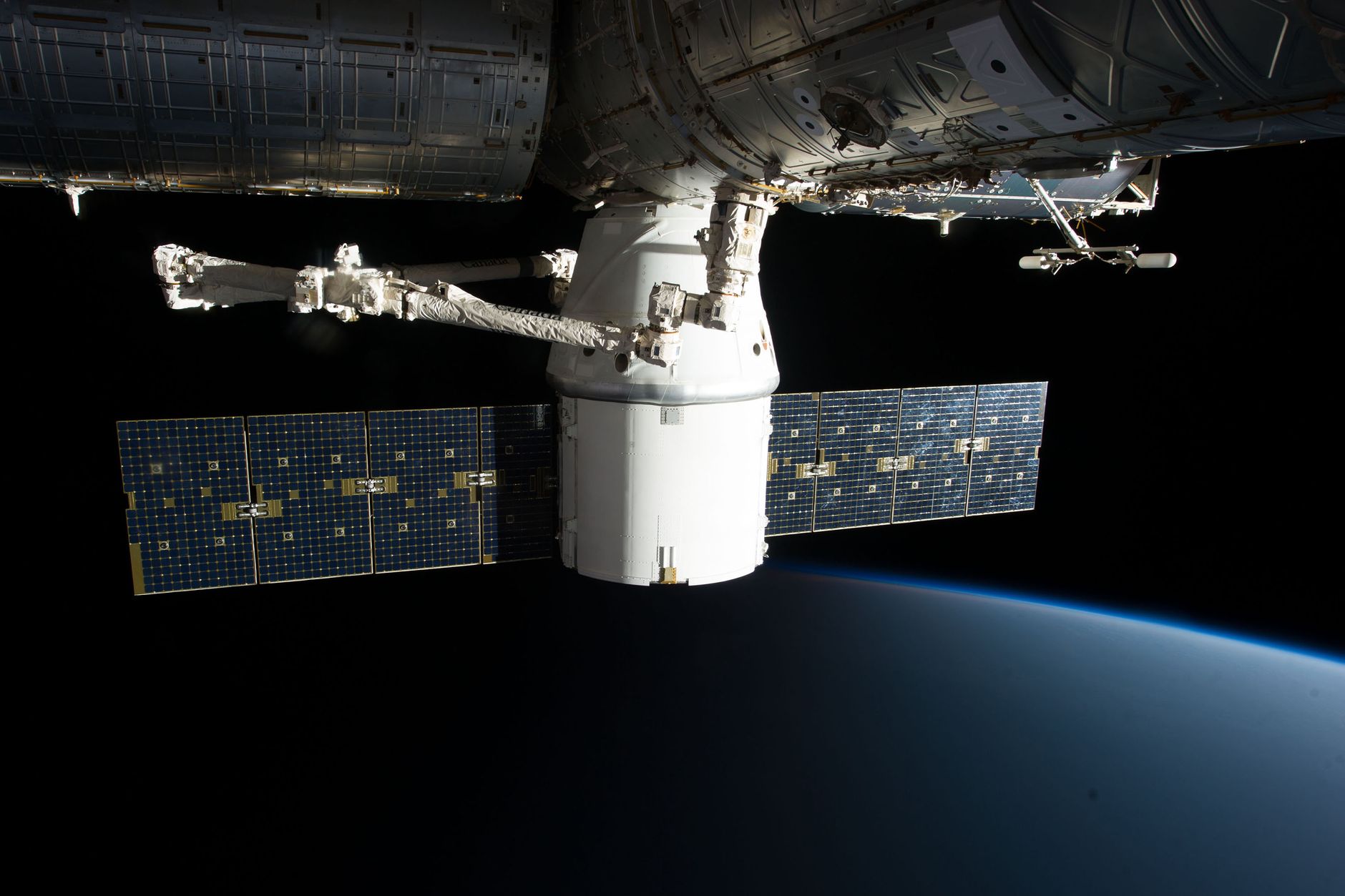
private ISS successor stations are the focus of NASA’s latest initiative as they seek bids for future space missions. This move aims to ensure continued access to low Earth orbit.
Introduction to NASA’s Initiative
Nasa has launched a groundbreaking initiative inviting companies to submit bids for the development of private ISS successor stations. This program aims to foster a new era of commercial space research and exploration, enabling a diverse range of scientific endeavors beyond low Earth orbit.
The opportunities presented by these private ISS successor stations are immense, as they will allow businesses, researchers, and international partners to conduct experiments and develop technologies in microgravity.
Key objectives of this initiative include:
- Encouraging Innovation: Stimulating advancements in space technologies.
- Enhancing Collaboration: Promoting partnerships between private entities and government agencies.
- Creating Sustainable Operations: Establishing a continuous presence in low Earth orbit.
With this call for proposals, NASA is positioning itself as a catalyst for a thriving commercial space economy.
What are Private ISS Successor Stations?
The concept of private ISS successor stations revolves around the establishment of commercial space stations that will take over the role of the International Space Station (ISS) after its retirement. These stations aim to provide platforms for scientific research, technology development, and international collaboration in low Earth orbit.
NASA has opened the door for private companies to submit bids for developing these successor stations, promoting innovation and investment in the burgeoning space economy. The goal is to foster a sustainable presence in space, allowing commercial entities to operate independently while also supporting government missions.
Key benefits include:
- Enhanced research capabilities: Private stations can focus on specific scientific fields.
- Economic growth: Stimulating job creation in the aerospace sector.
- Global partnerships: Encouraging collaboration between nations.
Why NASA is Seeking Bids
Nasa is actively seeking bids for private ISS successor stations to foster innovation and collaboration in low Earth orbit. This initiative aims to leverage the strengths of the private sector while ensuring continued scientific and commercial activities in space.
One primary reason for this bid opportunity is to promote sustainable human presence in space. By transitioning from a government-operated space station to privately-owned platforms, NASA hopes to stimulate the growth of a vibrant economy in low Earth orbit.
Additionally, these private ISS successor stations are expected to provide enhanced capabilities for research, manufacturing, and technology development. This shift not only encourages investment but also opens doors for new partnerships between public and private entities.
NASA’s strategic move reflects a broader vision of space exploration as a collaborative endeavor, ultimately benefiting humanity through advancements in science and technology.
The Importance of Low Earth Orbit
Low Earth Orbit (LEO) has become a crucial domain for scientific research, commercial activities, and international collaboration. As the International Space Station (ISS) nears the end of its operational life, the need for private ISS successor stations has emerged as a vital solution. These stations not only promise to sustain the ongoing research efforts that have flourished in LEO but also aim to expand opportunities for private industry involvement in space.
The significance of maintaining a presence in LEO is underscored by its role in advancing technology, conducting experiments that benefit life on Earth, and supporting new ventures in space tourism and manufacturing. With a robust ecosystem in place, private ISS successor stations can facilitate innovation and exploration, ensuring that the momentum gained from the ISS continues to thrive. NASA’s initiative to seek bids represents a strategic move to harness the potential of the commercial space sector in this critical orbit.
Potential Companies Involved
As NASA moves forward with its initiative to develop private ISS successor stations, several companies are poised to play a significant role in this transformative project. The agency has opened the door for various commercial entities to submit their proposals, potentially leading to innovative partnerships that could redefine space exploration.
Among the potential companies involved, the following stand out:
- SpaceX: Known for its advanced launch capabilities and cargo delivery systems.
- Blue Origin: With its focus on sustainability and reusable technology, it aims to enhance access to space.
- Axiom Space: Specializing in building commercial modules that could attach to the ISS or new stations.
- Northrop Grumman: A veteran in aerospace technology, looking to expand its footprint in low Earth orbit.
These companies represent a promising future for private ISS successor stations, potentially leading to a new era in space habitation and research.
Future of Space Exploration
The future of space exploration is increasingly leaning towards commercialization, with private ISS successor stations playing a pivotal role in this transition. As NASA opens the door for bids, it signals a new era where private enterprises can take charge of Low Earth Orbit (LEO) activities. This shift not only enhances collaboration between government and private sectors but also fosters innovation and competition.
Potential private ISS successor stations are expected to support a variety of scientific research and technology development, expanding opportunities for astronauts and researchers from around the globe. These stations may also serve as platforms for commercial ventures, such as tourism and manufacturing, further diversifying the space economy.
Key factors influencing the success of these initiatives include:
- Investment in technology
- Partnerships with international space agencies
- Public interest and funding
Impact on Commercial Space Industry
The announcement of NASA seeking bids for private ISS successor stations has significant implications for the commercial space industry. By inviting private companies to develop and operate these new platforms, NASA is fostering innovation and competition within the sector.
As a result, we can expect:
- Increased Investment: The potential for profit in low Earth orbit will attract more investors and venture capital into the space industry.
- Technological Advancements: Companies will push boundaries to create cutting-edge technology for these successor stations, enhancing capabilities.
- Diverse Opportunities: A variety of businesses, from small startups to established aerospace giants, will have the chance to participate in space exploration.
Ultimately, the establishment of private ISS successor stations could revolutionize how we approach space research and commercial activities in orbit.
Conclusion and Next Steps
As NASA moves forward with its initiative to establish private ISS successor stations, the agency is keenly aware of the potential benefits these partnerships could bring to the future of space exploration. By inviting bids from private companies, NASA aims to foster innovation and expand capabilities in low Earth orbit. This collaboration is not merely about replacing the International Space Station; it represents a significant shift towards a commercially driven space economy.
The next steps involve a thorough evaluation of proposals submitted by interested companies. NASA will assess the bids based on criteria such as technological innovation, feasibility, and cost-effectiveness. As this process unfolds, stakeholders in the commercial space industry are watching closely, eager to see how private ISS successor stations will reshape the landscape of space activities.
Ultimately, these developments could pave the way for new scientific discoveries and commercial opportunities beyond Earth.
Photo by SpaceX on Pexels
Sources
Related reading
- India Smartphone Sales: Worst Festive Squeeze Yet, Market Rises
- OnePlus 9 series: Is it the Best Smartphone of 2023?
- Gender Pay Gap: Is It the Worst Proven Issue in Tech?