

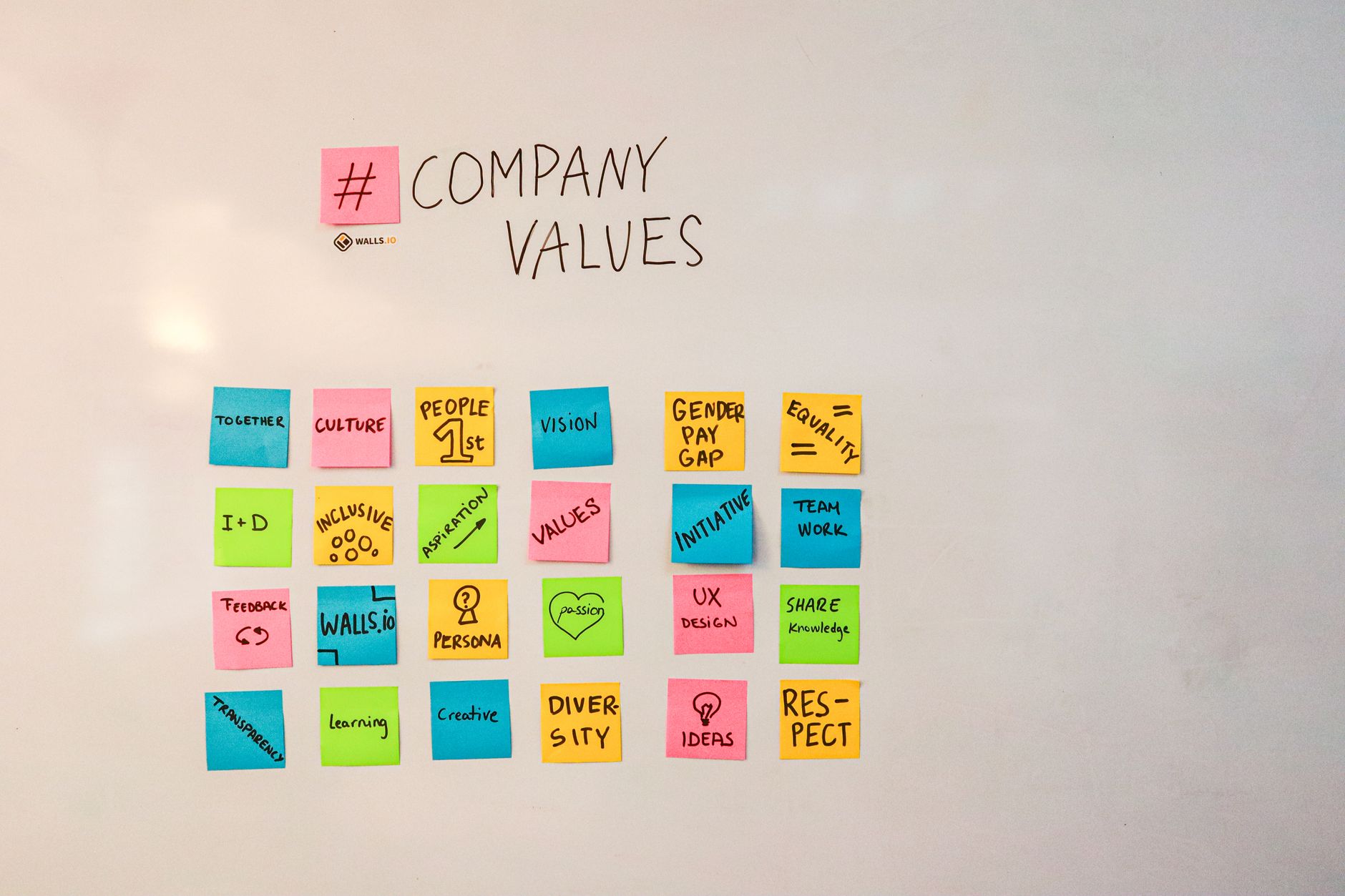
The gender pay gap has been a persistent issue in various sectors, including tech. Recent AI agents have successfully recreated the gender pay gap, shedding light on this ongoing problem.
Understanding the Gender Pay Gap
The gender pay gap remains a significant issue in various sectors, particularly in the tech industry. It refers to the disparity in earnings between men and women, often resulting from a combination of factors including discrimination, occupational segregation, and differences in work experience and education.
Understanding the gender pay gap is crucial for addressing the inequalities that persist within the workforce. Several studies have highlighted that women are often paid less than their male counterparts for similar roles. This situation has prompted discussions on the need for transparency in salary structures and more equitable hiring practices.
- Impact of Discrimination: Many women report facing biases during hiring and promotion processes, which can contribute to lower salaries.
- Occupational Segregation: Women tend to be concentrated in lower-paying sectors or roles, which perpetuates the pay gap.
- Work Experience: While differences in years of experience can influence pay, they do not fully account for the wage discrepancies observed.
Moreover, the gender pay gap is not just a moral issue but also an economic one. Closing this gap could significantly boost the overall economy by increasing the purchasing power and economic contributions of women. As conversations about equality continue, addressing the gender pay gap remains a critical step toward creating a more fair and inclusive workforce.
How AI Agents Analyze Salary Data
In the ongoing discussion about the gender pay gap, AI agents are increasingly being utilized to analyze salary data across various industries, including tech. These advanced systems can process vast amounts of information, identifying patterns and discrepancies that may not be immediately visible to human analysts.
By employing machine learning algorithms, AI agents can examine factors such as:
- Job titles and responsibilities
- Years of experience
- Geographic location
- Educational background
- Performance reviews
This comprehensive approach allows for a more nuanced understanding of salary disparities. For instance, AI can highlight how women, despite having similar qualifications and roles as their male counterparts, often receive lower compensation. This phenomenon is particularly pronounced in tech, where the gender pay gap has been a persistent issue.
Moreover, by providing data-driven insights, AI agents empower organizations to take actionable steps toward closing the gap. Companies can implement fair pay policies, ensuring that salary structures are equitable and transparent. As these technologies continue to evolve, their role in addressing the gender pay gap will likely become even more significant, allowing for a more equitable workplace in the future.
The Impact of Gender Pay Gap on Employees
The gender pay gap continues to be a significant concern within the tech industry, affecting not only the financial well-being of employees but also their overall job satisfaction and career progression. The implications of this disparity are far-reaching and can have lasting effects on individuals and the workplace as a whole.
Employees facing a gender pay gap often experience:
- Decreased Motivation: When employees perceive that their compensation does not reflect their contributions, it can lead to a lack of motivation and engagement.
- Higher Turnover Rates: Disparities in pay may drive talented individuals, particularly women, to seek opportunities elsewhere, exacerbating the talent shortage in tech.
- Limited Career Advancement: A significant gender pay gap can hinder women’s chances of promotion, as pay discrepancies can influence perceptions of competence and leadership potential.
- Increased Stress and Anxiety: The stress of financial inequality can affect mental health, leading to decreased productivity and job satisfaction.
Moreover, organizations that fail to address the gender pay gap risk damaging their reputation and employee morale. As awareness grows, companies are increasingly scrutinized for their pay practices, making it essential for them to implement equitable salary structures. Addressing the gender pay gap is not just a moral imperative; it is also vital for fostering a healthy and productive work environment.
Recent Studies on Pay Disparities
Recent studies have shed light on the persistent issue of the gender pay gap in the tech industry, revealing alarming disparities that continue to affect many professionals. According to a recent report from a leading research firm, women in tech earn, on average, 15% less than their male counterparts, a statistic that has remained stagnant over the past few years.
Several key findings from these studies highlight the underlying factors contributing to this ongoing issue:
- Promotion Rates: Women are often promoted at lower rates than men, which can lead to prolonged salary disparities.
- Negotiation Disparities: Research indicates that women are less likely to negotiate their salaries, which can result in lower initial pay offers.
- Industry Segregation: The concentration of men in higher-paying tech roles exacerbates the gender pay gap, as women are often underrepresented in these positions.
- Workplace Culture: A lack of support and mentorship for women in tech can hinder their career advancement, perpetuating pay inequalities.
The findings from these studies emphasize the urgent need for companies to address the gender pay gap proactively. By implementing equitable pay practices and fostering an inclusive workplace culture, organizations can help ensure that all employees receive fair compensation for their work.
Tech Companies and Their Pay Practices
In the rapidly evolving tech industry, the practices surrounding employee compensation have come under increased scrutiny. Many tech companies have implemented various strategies aimed at addressing the persistent issue of the gender pay gap. However, the effectiveness of these strategies remains a topic of debate.
Some organizations have adopted transparent pay scales to ensure that all employees, regardless of gender, receive equitable compensation for similar roles. Others have introduced regular audits of their pay structures to identify disparities and promote fairness. Despite these efforts, studies indicate that significant gaps still exist, particularly in senior positions.
To fully understand the extent of the gender pay gap in tech, it’s essential to consider the following key practices:
- Pay Transparency: Companies that openly share salary ranges may encourage fair negotiations, potentially reducing pay disparities.
- Regular Audits: Conducting audits can help organizations identify and address inequities in compensation.
- Diversity Initiatives: Implementing programs aimed at increasing the representation of women in leadership roles can positively impact pay equity.
Despite these initiatives, many female employees still report feeling undervalued and underpaid compared to their male counterparts. As the tech industry continues to evolve, addressing the gender pay gap will require ongoing commitment and innovative solutions from all stakeholders involved.
Addressing the Gender Pay Gap: What Can Be Done?
Addressing the gender pay gap requires a multifaceted approach that involves collaboration between companies, employees, and policymakers. Here are some effective strategies that can be implemented to tackle this persistent issue:
- Conduct Regular Salary Audits: Companies should perform regular salary audits to identify pay disparities between genders. By analyzing compensation data, organizations can pinpoint areas where inequities exist and take corrective actions.
- Implement Transparent Pay Structures: Establishing clear salary ranges for each position can help ensure that all employees are fairly compensated. Transparency in pay practices can build trust and hold organizations accountable.
- Promote Inclusive Hiring Practices: Organizations need to focus on attracting diverse talent through inclusive hiring practices. This includes using gender-neutral job descriptions and ensuring diverse hiring panels.
- Encourage Negotiation Training: Providing negotiation training for employees, particularly women, can empower them to advocate for better pay and benefits, helping to close the gender pay gap.
- Support Work-Life Balance: Implementing flexible work arrangements can help retain talent and support employees in balancing their professional and personal lives, which can disproportionately affect women.
By actively engaging in these initiatives, organizations can contribute to reducing the gender pay gap and fostering a more equitable workplace for all employees.
Future Trends in Workplace Equality
The future of workplace equality hinges on the proactive measures that organizations take to address the enduring gender pay gap. As awareness grows, it is becoming increasingly crucial for companies to not only acknowledge this issue but to implement effective strategies for change.
One emerging trend is the integration of advanced analytics and AI technologies in monitoring pay disparities. These tools can provide real-time insights into salary structures, helping organizations identify and rectify imbalances swiftly. By leveraging data, companies can foster a culture of transparency, which is vital for accountability in addressing pay inequity.
Another significant trend is the movement towards legislative reforms aimed at promoting pay equity. Governments are beginning to enact laws that require organizations to disclose salary information and perform regular pay audits. This regulatory push is expected to compel companies to reassess their compensation practices continually.
Moreover, there is a growing emphasis on the importance of diversity and inclusion initiatives. Companies are realizing that promoting a diverse workforce not only enhances innovation but also contributes to fairer pay practices. Organizations that prioritize inclusivity are likely to attract top talent and maintain a competitive edge in the marketplace.
As we look to the future, the intersection of technology, legislation, and corporate responsibility will play a pivotal role in narrowing the gender pay gap and fostering an equitable workplace for all.
Photo by Walls.io on Pexels
Read the original
Related reading
- Is the Screenless Smartphone the Best Option Against iPhone?
- Hurricane Isaias Updates: The Worst Impact and Response Strategies
- PS3-exclusive racing games: Proven fix announced for RPCS3