

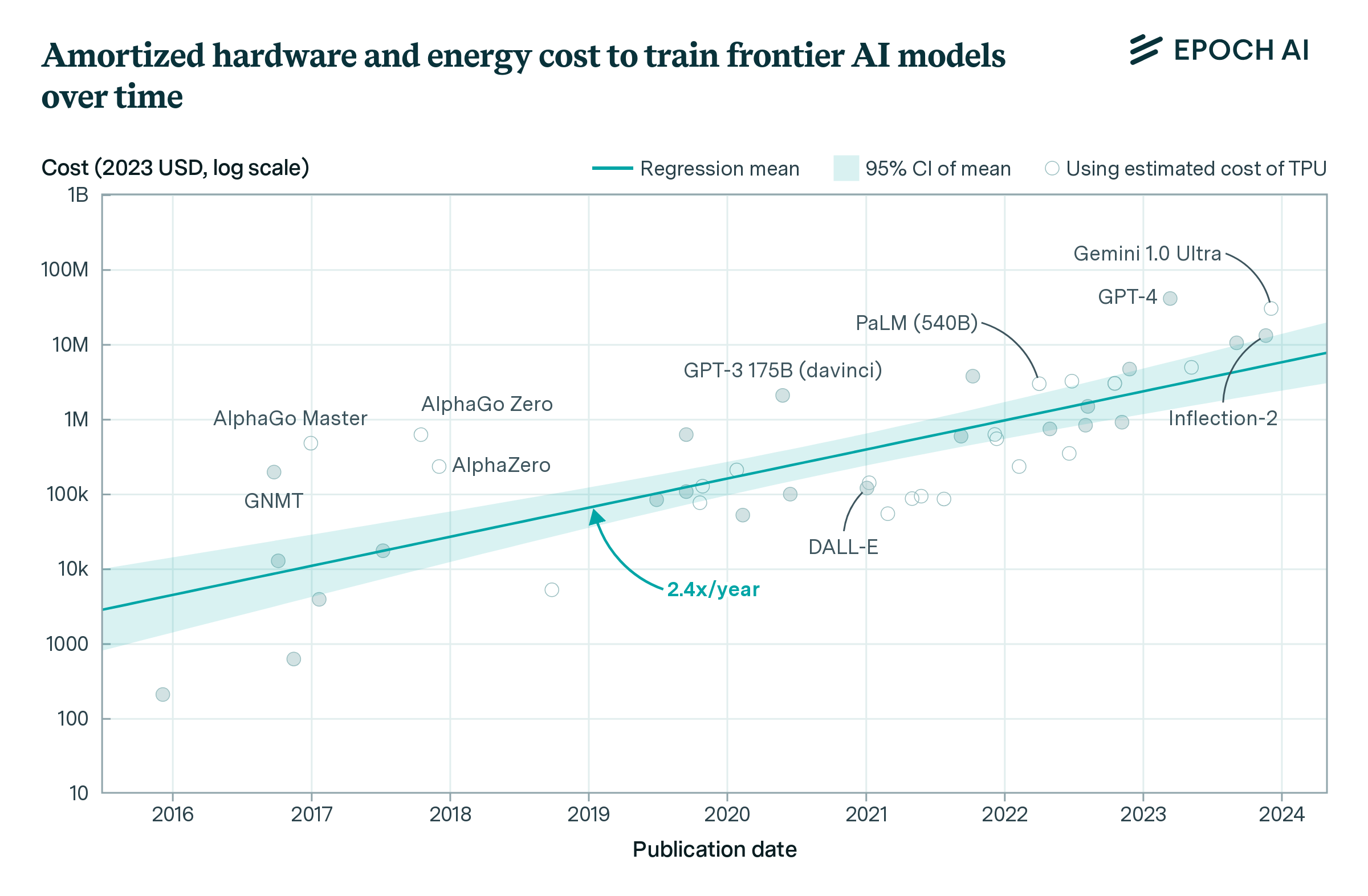
Frontier AI models are becoming increasingly important in technology. As India weighs pre-release safety tests for these models, the implications for developers and users are significant.
Understanding Frontier AI Models
Frontier AI models represent the cutting edge of artificial intelligence technology, pushing the boundaries of what machines can achieve. These models, characterized by their advanced capabilities and vast data processing potential, are increasingly being integrated into various sectors, from healthcare to finance. However, the rapid development of such powerful systems raises critical questions about safety and ethical implications.
As nations like India consider implementing pre-release safety tests for these frontier AI models, the debate intensifies over the balance between innovation and precaution. Proponents argue that thorough testing is crucial to mitigate risks associated with AI deployment, particularly in areas where decisions can significantly impact human lives. They emphasize that ensuring these models operate within safe parameters is essential for public trust.
On the other hand, critics warn that excessive regulation could stifle innovation, slowing down the progress of beneficial technologies. The challenge lies in establishing a framework that adequately assesses risks without hindering advancements in AI. As global discussions continue, stakeholders are urged to consider:
- The potential consequences of untested AI systems.
- The urgency of establishing ethical guidelines.
- The need for collaboration among governments, tech companies, and researchers.
The Importance of Safety Tests
As the development of Frontier AI models accelerates, the conversation surrounding pre-release safety tests has gained significant traction. These advanced models have the potential to transform industries, but with this capability comes inherent risks that necessitate careful evaluation.
Safety tests serve as a critical mechanism to identify and mitigate potential risks before these technologies are deployed. The importance of such tests can be summarized in several key areas:
- Risk Mitigation: By conducting safety assessments, developers can uncover vulnerabilities that might lead to unintended consequences, ensuring that the models operate within acceptable parameters.
- Public Trust: Implementing rigorous safety tests can enhance public confidence in Frontier AI models, as stakeholders will feel more secure knowing that potential hazards have been addressed.
- Regulatory Compliance: As governments consider regulations around AI, pre-release safety tests can help companies align their technologies with emerging guidelines, avoiding potential legal repercussions.
- Innovation Promotion: Demonstrating a commitment to safety can foster an environment where innovation thrives, as developers are encouraged to push boundaries while still prioritizing ethical considerations.
Ultimately, the adoption of safety tests is not just a precaution but a necessary step toward responsible AI development.
Current Regulations on AI
As the development of Frontier AI models accelerates, current regulations surrounding their deployment remain insufficiently defined. Governments and regulatory bodies are grappling with how to effectively manage the risks associated with these advanced technologies. In several countries, including India, discussions are underway about implementing pre-release safety tests to ensure that AI systems operate within acceptable safety parameters before they reach the public.
Key aspects of the existing regulatory framework include:
- Data Protection: Regulations often focus on the ethical use of data, requiring developers to ensure that personal information is handled responsibly.
- Transparency: There is a growing call for transparency in AI systems, pushing for clear guidelines on how decision-making processes are conducted.
- Accountability: Establishing accountability measures for AI developers is crucial to address potential harms caused by malfunctioning or biased models.
While these elements are foundational, they may not adequately address the unique challenges posed by Frontier AI models. As these technologies continue to evolve, the need for comprehensive regulations that include robust safety testing becomes increasingly critical to safeguard users and society at large.
India’s Approach to AI Safety
India’s approach to ensuring the safety of Frontier AI models is evolving as the government considers implementing pre-release safety tests. This potential shift reflects a growing recognition of the challenges posed by advanced AI technologies. The aim is to mitigate risks associated with the deployment of these models, which can have far-reaching consequences across various sectors.
As discussions around AI safety intensify, key stakeholders, including policymakers, industry leaders, and researchers, are evaluating the feasibility and effectiveness of such tests. Some of the main arguments in favor of pre-release safety assessments include:
- Risk Mitigation: Ensuring that AI models operate within safe parameters before they are made available to the public.
- Public Trust: Building confidence among users and consumers regarding the safety and reliability of AI technologies.
- International Standards: Aligning with global best practices to facilitate international collaboration and trade in AI solutions.
On the other hand, critics express concerns that extensive testing could delay innovation and hinder the competitive edge of Indian tech firms in the global market. Balancing safety with progress will be crucial as India navigates the complexities of regulating Frontier AI models.
Benefits of Pre-Release Testing
Pre-release safety tests for Frontier AI models offer numerous benefits that contribute to a safer and more reliable implementation of advanced technologies. These tests serve as a proactive measure to identify potential risks and vulnerabilities before the models are deployed in real-world scenarios.
One of the primary advantages is the enhancement of public trust. When stakeholders can see that robust safety measures are in place, they are more likely to support the adoption of these models. Additionally, pre-release testing helps in:
- Mitigating Risks: Identifying issues early allows developers to address them before they escalate into larger problems, reducing the likelihood of harmful consequences.
- Encouraging Responsible Innovation: By prioritizing safety, companies demonstrate a commitment to ethical practices, fostering a culture of responsibility in AI development.
- Compliance with Regulations: Conducting thorough safety tests ensures that Frontier AI models meet existing regulatory standards, avoiding legal repercussions that could arise from negligence.
- Improving User Experience: Well-tested models are less likely to malfunction or produce unintended outcomes, leading to a better experience for users and stakeholders alike.
In conclusion, the benefits of pre-release safety testing are significant, making it a worthwhile investment for developers of Frontier AI models.
Challenges in Implementing Tests
Implementing pre-release safety tests for frontier AI models presents a range of challenges that stakeholders must navigate. First, the rapid pace of AI development often outstrips existing testing frameworks. Many developers prioritize innovation and speed to market over thorough testing, which can lead to unforeseen consequences.
Moreover, the complexity of frontier AI models complicates the creation of effective testing protocols. These models often exhibit unpredictable behaviors, making it difficult to establish benchmarks for safety. This unpredictability can stem from various factors, including the models’ learning processes and the vast amounts of data they utilize.
Another significant challenge is the need for collaboration among different sectors. Engaging multiple stakeholders—such as government agencies, private companies, and academia—can lead to conflicting interests and priorities. This fragmentation can hinder the development of a unified approach to safety testing.
Additionally, there is a concern regarding the potential stifling of innovation. Some argue that excessive regulation and testing requirements could slow down advancements in frontier AI models, ultimately impacting their beneficial applications. Balancing the need for safety with the desire for progress remains a critical dilemma for policymakers and developers alike.
In summary, while pre-release safety tests are essential, the challenges in implementing them must be carefully addressed.
Future of AI Safety Standards
The future of AI safety standards is becoming increasingly crucial as the development of frontier AI models accelerates. As these models demonstrate unprecedented capabilities, the need for robust safety measures has never been more urgent.
Regulatory bodies around the world are beginning to recognize the importance of establishing comprehensive frameworks to ensure the responsible deployment of frontier AI models. This includes:
- Standardization of Testing Protocols: Creating uniform guidelines for pre-release safety tests that can be universally adopted.
- Collaboration Across Borders: Encouraging international cooperation to navigate the global implications of AI technologies and ensuring that safety standards are not isolated to one region.
- Involvement of Stakeholders: Engaging technologists, ethicists, and the public in discussions about the ethical implications and safety of frontier AI models.
As nations like India move towards implementing pre-release safety tests, the effectiveness of these measures will be closely monitored. Proponents argue that rigorous testing can mitigate risks, while critics question the feasibility and potential stifling of innovation. Ultimately, the evolution of AI safety standards will play a pivotal role in shaping the future landscape of frontier AI models and their integration into society.
By Epoch AI via Openverse
Sources
Related reading
AI adoption small businesses: Proven strategies for success · Google GPU Deal: The Smart $920M Monthly SpaceX Agreement · AI Spending Tools: Are They Worth the Investment?