

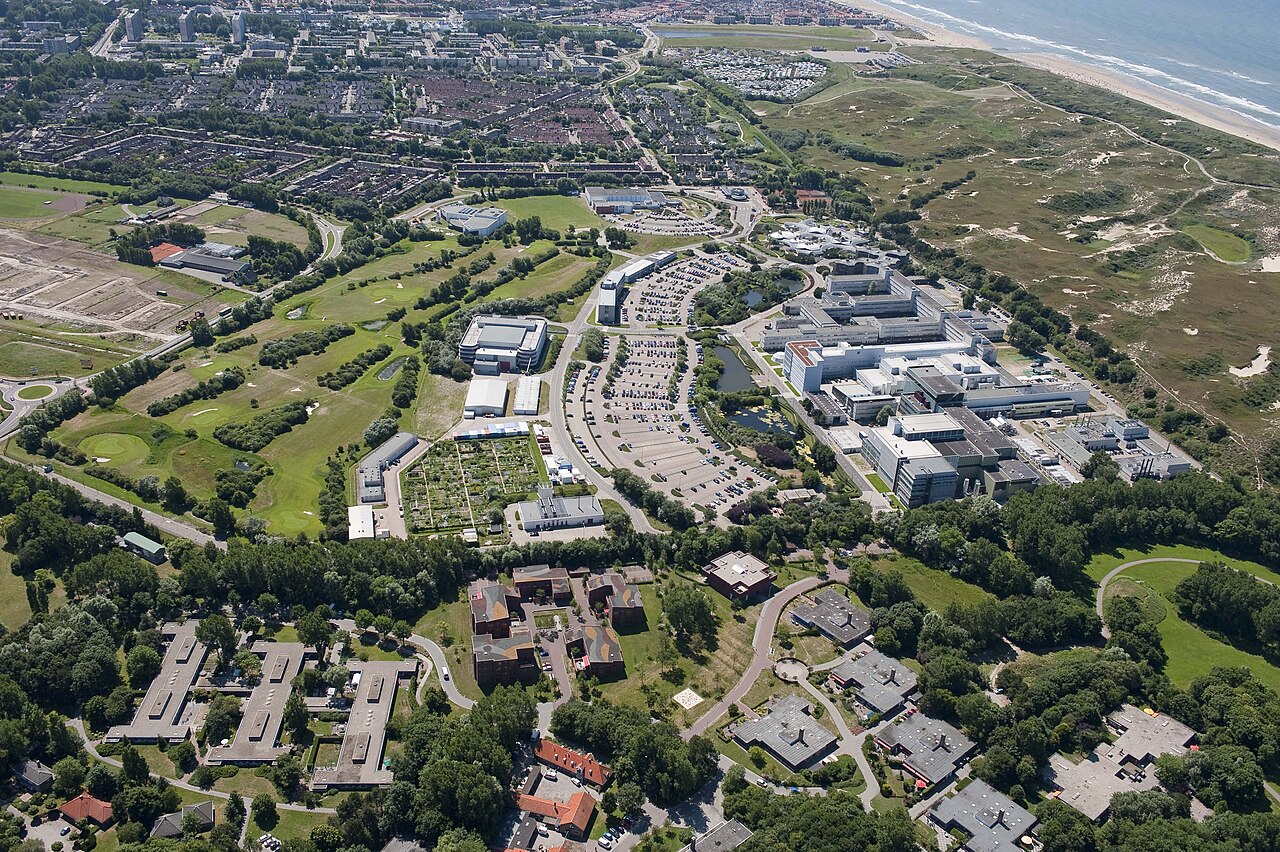
European cooperation in space is becoming increasingly important as France and Germany propose different strategies for collaboration. Both countries aim to enhance their roles in the global space sector, but their approaches differ significantly.
Overview of European Space Cooperation
European cooperation in space has become a pivotal topic as nations seek to enhance their capabilities and foster innovation. Recently, France and Germany have presented contrasting visions for how Europe should approach its space endeavors. While France advocates for a more unified strategy that emphasizes collaboration among member states, Germany supports a decentralized model that allows for individual national contributions to flourish.
Both perspectives highlight the importance of pooling resources and expertise to tackle the complex challenges of space exploration and technology development. This cooperation can lead to significant advancements in scientific research, satellite technology, and Earth observation systems.
Key benefits of European space cooperation include:
- Cost Efficiency: Collaborative projects can reduce individual financial burdens on countries.
- Shared Knowledge: Nations can leverage each other’s strengths and create a more robust knowledge base.
- Global Competitiveness: A united European front can enhance competitiveness against other global space powers.
As discussions progress, the need for a cohesive strategy that balances national interests with collective goals remains crucial for the future of European cooperation in space.
France’s Approach to Space Collaboration
France has long been a proponent of strong European cooperation in space, advocating for collaborative frameworks that enhance collective capabilities. The French government views joint projects as essential in maintaining a competitive edge in the global space race.
One of the key initiatives supported by France is the development of the European Space Agency (ESA), which plays a pivotal role in promoting cooperation among European nations in various space missions. France emphasizes the need for shared resources and expertise to address challenges such as climate change and satellite technology advancements.
Key aspects of France’s approach include:
- Investment in joint missions: France prioritizes collaborative projects that can leverage the unique strengths of different countries.
- Focus on research and innovation: French agencies are encouraged to partner with other European nations to foster innovative solutions in space technology.
- Strengthening partnerships: France actively engages with Germany and other nations to establish strategic alliances that enhance European cooperation in space.
This commitment to collaboration positions France as a leader in the pursuit of a cohesive European strategy for future space endeavors.
Germany’s Strategy for Space
Germany’s strategy for space has evolved to emphasize European cooperation in space as a cornerstone for advancing its technological capabilities and economic growth. This approach focuses on fostering partnerships not only within the European Union but also with global space agencies and private entities.
One of the key components of Germany’s strategy is its commitment to collaborative projects. This includes:
- Joint satellite missions that leverage the strengths of multiple nations.
- Shared research initiatives aimed at developing innovative space technologies.
- Investment in joint infrastructure to enhance the capabilities of European space operations.
Furthermore, Germany actively participates in the European Space Agency (ESA), advocating for a unified vision that aligns the interests of all member states. This collaborative spirit is intended to create a more resilient European space sector that can compete on a global scale.
By prioritizing cooperation, Germany aims to not only boost its own capabilities but also to lead the way in establishing a robust framework for European cooperation in space, ultimately driving growth and innovation across the continent.
Impact of Cooperation on Technology
The impact of European cooperation in space on technology advancement is profound and multifaceted. By pooling resources and expertise, nations can accelerate innovation and reduce costs associated with space exploration and satellite deployment. This collaborative effort allows for the sharing of knowledge, which can lead to breakthroughs in various fields, including telecommunications, Earth observation, and scientific research.
Countries involved in joint missions can leverage each other’s strengths, resulting in enhanced capabilities. For instance, France’s emphasis on robust satellite systems complements Germany’s prowess in engineering, creating a synergy that drives technological progress. Additionally, shared infrastructure, such as launch facilities and research centers, can foster an environment conducive to experimentation and development.
Moreover, European cooperation in space encourages the establishment of a unified regulatory framework, ensuring that technological advancements are pursued in a manner that is both safe and sustainable. As the global space race intensifies, the collective efforts of European nations not only enhance their competitive edge but also position them as leaders in the international arena. Ultimately, the impact of cooperation on technology is a vital component of fostering growth and innovation in the space sector.
Challenges Facing European Space Initiatives
Despite the promising outlook for European cooperation in space, several challenges persist that could hinder progress and collaboration among member nations. These obstacles range from budgetary constraints to differing national priorities.
- Funding Disparities: Variations in national budgets for space initiatives create inequalities that can impact joint projects. Some countries may be unable to contribute sufficiently, leading to potential delays and reduced effectiveness in collaborative efforts.
- Diverse Objectives: Each nation has its own goals regarding space exploration and technology development. This divergence can complicate the establishment of a unified strategy that satisfies all parties involved in European cooperation in space.
- Technological Gaps: The current technological capabilities of member states vary significantly. These disparities can create challenges in integrating systems and sharing expertise, which are crucial for successful partnerships.
- Regulatory Barriers: Different regulatory frameworks across countries can impede swift cooperation. Harmonizing regulations is essential for seamless collaboration on complex space initiatives.
Addressing these challenges will be crucial for ensuring the growth and sustainability of European space initiatives.
Future of Space Exploration in Europe
The future of space exploration in Europe hinges on a collaborative approach that leverages the strengths of individual nations while fostering a unified vision. As the landscape of space exploration evolves, European cooperation in space becomes increasingly vital for driving innovation and achieving ambitious goals.
Several upcoming missions highlight the collaborative spirit among European nations. For instance, the European Space Agency (ESA) aims to launch a series of exploratory missions to the Moon and Mars, with contributions from various member states. These missions not only advance scientific knowledge but also enhance technological capabilities.
Furthermore, the development of a European launch vehicle, as proposed by France and Germany, signifies a strategic move towards reducing dependency on non-European providers. This initiative illustrates how cooperation can lead to greater autonomy and competitiveness in the global space market.
However, the journey ahead is not without challenges. Balancing national interests with collective goals will be crucial. To ensure that European cooperation in space translates into tangible benefits, member nations must prioritize collaboration over competition and invest in shared resources for sustainable growth.
Comparing National Strategies for Space
The landscape of space exploration in Europe is shaped by distinct national strategies, particularly from leading nations like France and Germany. Each country brings a unique perspective to the table, impacting overall European cooperation in space.
France emphasizes a robust partnership model, focusing on collaborative projects that leverage its technological expertise. This approach encourages shared investments in space missions, aiming to enhance collective capabilities while promoting innovation. The French strategy prioritizes cooperation with other European nations and often extends partnerships beyond the continent.
In contrast, Germany’s strategy leans towards strengthening its independent capabilities while fostering collaboration. Germany invests heavily in technology development, with a focus on research and innovation in satellite systems and launch vehicles. This approach allows Germany to maintain a leadership role in the European Space Agency while also contributing significantly to joint initiatives.
Ultimately, the comparison of these national strategies showcases the potential for synergy within European cooperation in space. By recognizing and integrating their differing approaches, European nations can enhance their collective strength and ensure a more unified presence in the global space arena.
via Wikimedia Commons
References
- Quantum Watchdog: The Smart Safety System for Quantum Failures
- Gemini Tasks Free Rollout: The Best Proven Features Unveiled
- Nissin Foods Data Leak: Is It the Worst Breach Yet?