

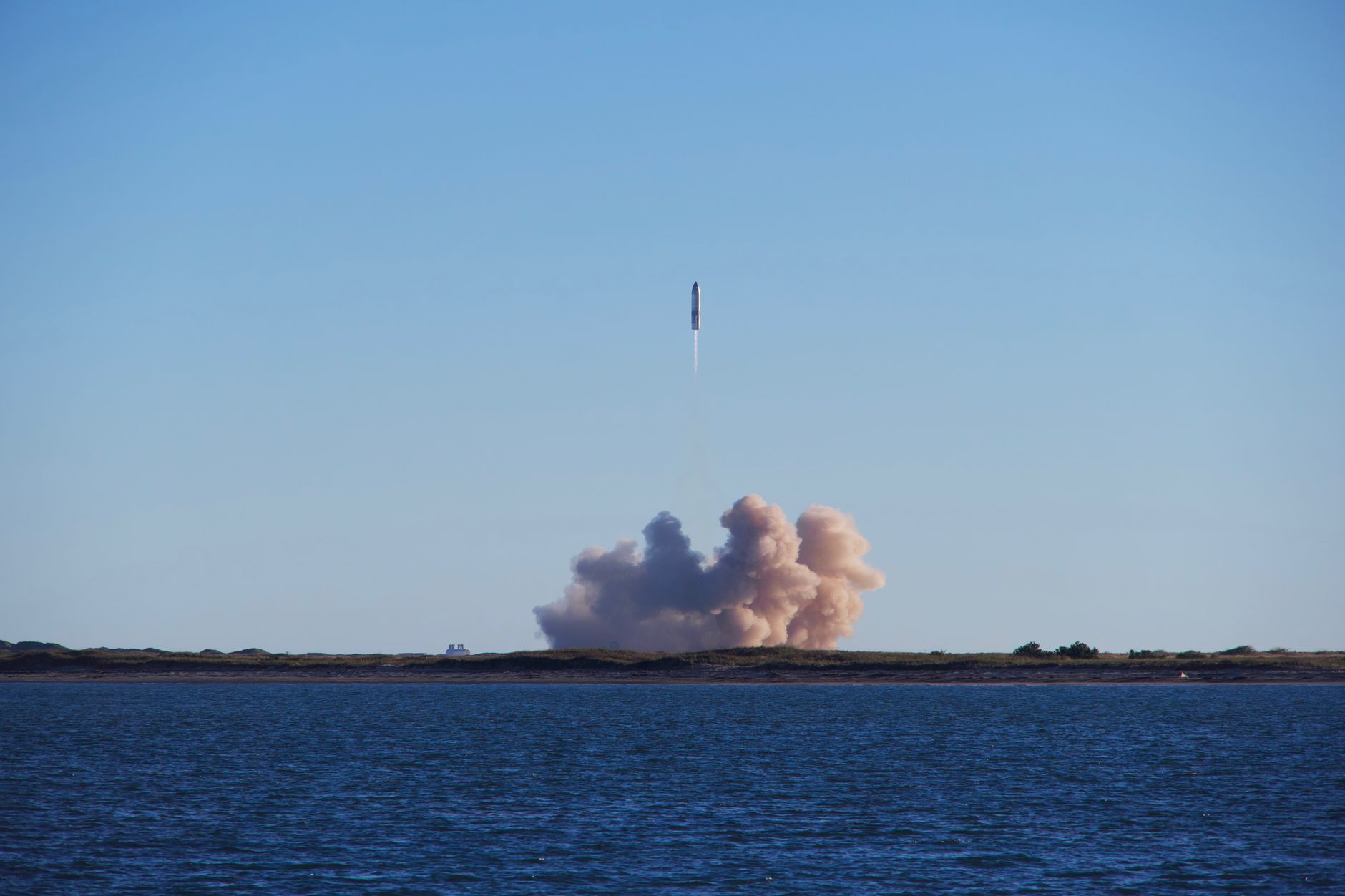
The CERES-2 rocket launch successfully deployed four satellites into orbit, showcasing China’s growing capabilities in space exploration. This event highlights the nation’s commitment to advancing its satellite technology and expanding its presence in space.
Overview of the CERES-2 Rocket Launch
The recent launch of the CERES-2 rocket marks a significant milestone in China’s space exploration efforts. This mission, which successfully deployed four satellites into orbit, demonstrates the nation’s growing capabilities in aerospace technology. The launch took place at the Taiyuan Satellite Launch Center, showcasing China’s strategic focus on expanding its presence in space.
The satellites sent into orbit serve a variety of purposes, including environmental monitoring and data collection. These advancements are crucial for improving global understanding of climate change and natural disasters. The CERES-2 rocket itself has undergone extensive testing and development, illustrating the emphasis on innovation within China’s space program.
Key features of the mission include:
- Enhanced Payload Capacity: The CERES-2 is designed to carry multiple satellites, increasing the efficiency of space missions.
- Advanced Technology: The rocket incorporates state-of-the-art guidance and propulsion systems.
- Strategic Importance: This launch underlines China’s commitment to becoming a leading player in the global space arena.
As nations worldwide ramp up their space exploration initiatives, the CERES-2 rocket launch represents a smart and calculated step forward for China, paving the way for future advancements in satellite technology and space research.
Significance of Satellite Deployments
The recent launch of the CERES-2 rocket marks a pivotal moment in satellite deployment, greatly enhancing our capabilities for space exploration and observation. These satellite deployments are significant for several reasons:
- Advancement of Technology: The satellites carried by the CERES-2 are equipped with cutting-edge technology that will improve data collection and transmission, supporting various scientific and commercial applications.
- Environmental Monitoring: The new satellites will play a crucial role in monitoring climate change and natural disasters, providing real-time data that can assist in mitigation efforts and disaster response.
- National Security: Enhanced satellite capabilities contribute to improved national security by providing better surveillance and reconnaissance options, thus strengthening defense mechanisms.
- Global Collaboration: The deployment of these satellites encourages international cooperation in space research, fostering partnerships that can lead to shared advancements in technology and exploration efforts.
- Economic Growth: The development and deployment of satellite technology can stimulate economic growth by creating jobs and fostering innovation within the aerospace sector.
Overall, the CERES-2 rocket launch is not just a technical achievement but a strategic move towards a more connected and informed world through enhanced satellite capabilities.
China’s Advancements in Space Technology
China’s advancements in space technology have reached new heights with the successful launch of the CERES-2 rocket. This mission is a testament to the nation’s growing capabilities in the realm of aerospace engineering and satellite deployment. The launch not only highlights China’s investment in research and development but also its commitment to becoming a leading player in the global space industry.
In recent years, China has made significant strides in developing cutting-edge technologies that enhance satellite communication, observation, and data collection. The CERES-2 rocket launch is a culmination of these efforts, featuring innovative designs and improved propulsion systems that ensure efficient launches and enhanced payload capacity.
Key elements of China’s space advancements include:
- Increased Payload Capacity: The CERES-2 rocket can carry multiple satellites, allowing for more ambitious missions.
- Reusability: Innovations in rocket design aim to reduce costs and improve the sustainability of space missions.
- International Collaboration: China is forming partnerships with other nations to share technology and expertise, fostering a collaborative approach to space exploration.
As China continues to enhance its space capabilities, the successful launch of the CERES-2 rocket marks a pivotal moment in its quest for space exploration leadership.
Details on the Four Satellites
The recent launch of the CERES-2 rocket marks a significant achievement in China’s space exploration efforts, with the deployment of four advanced satellites into orbit. These satellites are designed to enhance various capabilities, including Earth observation and scientific research.
Among the satellites launched, one notable addition is the China Resource Satellite 3, which will provide critical data for agricultural monitoring and disaster management. This satellite is equipped with advanced imaging technology that allows for high-resolution imaging of the Earth’s surface.
Another key satellite is the Oceanic Satellite, aimed at improving marine resource management and monitoring environmental changes in oceanic regions. Its data is expected to support sustainable fishing and marine conservation efforts.
The third satellite, named Space Environment Monitoring Satellite, will play a pivotal role in tracking space weather phenomena, which can impact satellite operations and communication systems. By monitoring solar winds and cosmic radiation, this satellite contributes to the safety of space missions.
Finally, the CERES-2 Technology Demonstration Satellite aims to test new technologies that will enhance China’s capabilities in future space endeavors. Together, these four satellites exemplify the innovative strides made during the CERES-2 rocket launch and their potential to advance scientific knowledge.
Future Implications for Space Exploration
The recent launch of the CERES-2 rocket marks a pivotal moment for the future of space exploration, showcasing China’s growing capabilities in this domain. As nations around the globe ramp up their space programs, the implications of such advancements are far-reaching.
With the successful deployment of four satellites, the CERES-2 rocket launch serves not only to enhance communication and data collection but also to provide critical insights into various scientific fields. The ability to gather real-time data from space can lead to significant advancements in areas such as:
- Climate monitoring: Improved tracking of environmental changes can aid in understanding global warming.
- Disaster management: Enhanced satellite imagery can facilitate quicker response during natural disasters.
- Agricultural development: Precision farming can be optimized through better satellite data.
Moreover, the successful deployment of these satellites signifies a move towards a more interconnected world, where data sharing between countries can spur collaborative research and innovation. The CERES-2 rocket launch not only underscores China’s commitment to space exploration but also positions the nation as a key player in the global space race, potentially altering the landscape of international cooperation in space research.
Public Reaction to the Launch
The recent launch of the CERES-2 rocket has generated a wave of enthusiasm among the public and space enthusiasts alike. Many individuals took to social media platforms to express their excitement, sharing live updates and personal commentary during the launch event. The successful deployment of four satellites has been seen as a major milestone in China’s space exploration efforts.
One user tweeted, “The CERES-2 rocket launch marks a new era for satellite technology. Excited to see what these satellites will achieve!” This sentiment was echoed by numerous others who view the launch as a testament to China’s growing capabilities in space.
In addition to social media, public gatherings to watch the launch were organized in several cities. Attendees were treated to live broadcasts, which sparked discussions about the implications of satellite technology for everyday life. Many participants emphasized the potential for advancements in communication and environmental monitoring.
Experts have also weighed in, stating that the successful launch of the CERES-2 rocket could inspire future generations to pursue careers in science and technology. “This launch not only showcases technical prowess but also ignites passion for exploration,” noted a prominent astrophysicist. Overall, the public reaction signifies a shared optimism for the future of space exploration.
The CERES-2 rocket launch marks a significant milestone in advancing our understanding of space. With its innovative technology, the CERES-2 rocket launch is set to enhance future exploration missions.
Photo by Forest Katsch on Pexels
Read the original
Related reading
- Jio Rs 10,000 Plan: Best Unlimited 5G with Proven Benefits
- Is the Cyberpunk Trading Card Game Worth Your Time?
- RTX 5070 Ti prices soar: The Real Impact on Gamers