

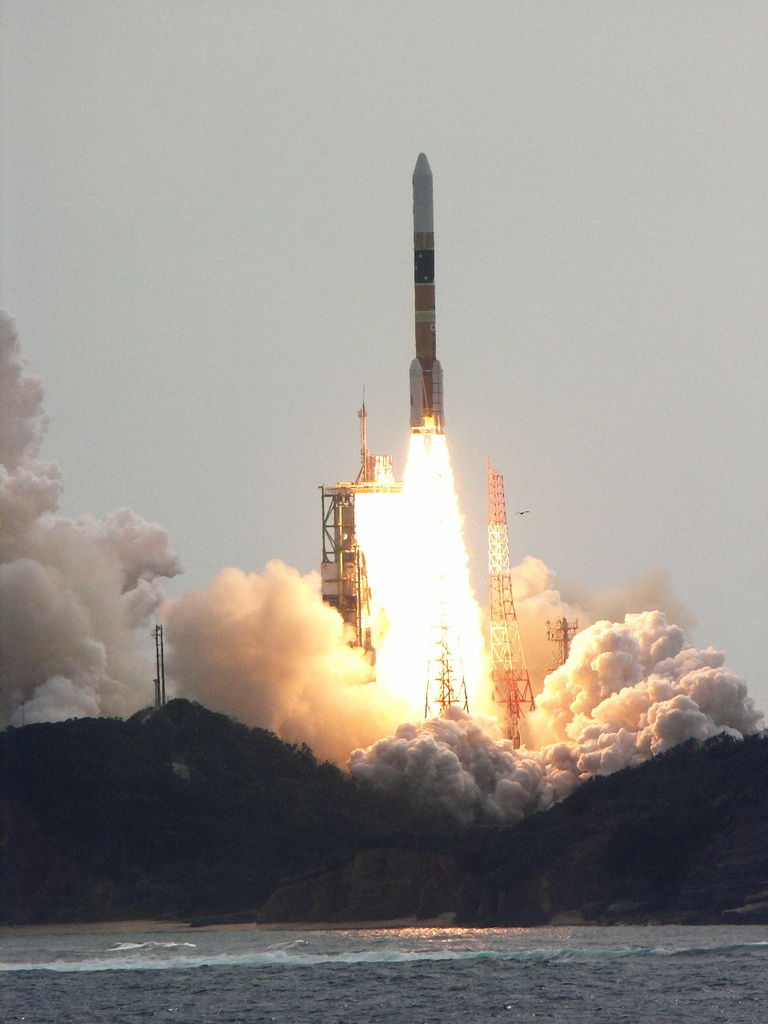
Military satellites launch plans are underway in South Korea, aiming for a 2031 deployment aboard the Nuri rocket. This initiative marks a significant step in enhancing national security and technological capabilities.
Overview of South Korea’s Satellite Plans
South Korea is poised to enhance its defense capabilities with ambitious plans to launch military satellites aboard its domestically developed Nuri rocket by 2031. This initiative is part of a broader strategy to strengthen the nation’s military infrastructure and ensure a more robust response to regional threats.
The launch of military satellites is seen as a crucial step for South Korea, as it aims to establish an independent surveillance and reconnaissance system. The satellites will provide real-time data and intelligence, which is essential for national security and operational readiness.
Key aspects of South Korea’s satellite plans include:
- Technological advancement: The Nuri rocket represents a significant leap in South Korean aerospace technology, showcasing the country’s growing capabilities in satellite deployment.
- Increased security: The military satellites will enhance the ability to monitor potential threats from neighboring countries, particularly amid rising tensions in the region.
- Investment in defense: The project underscores South Korea’s commitment to investing in advanced military technologies, which are essential for maintaining a competitive edge.
As these military satellites launch plans progress, they may redefine the strategic landscape in East Asia.
Timeline for the Nuri Rocket Launch
The timeline for the Nuri rocket launch is a critical aspect of South Korea’s ambition to enhance its military capabilities. The country has outlined a detailed plan to deploy military satellites using this homegrown technology by 2031. This timeline reflects South Korea’s commitment to advancing its defense infrastructure in response to regional security challenges.
Key milestones leading up to the launch include:
- 2024: Completion of the Nuri rocket’s development and initial testing phases.
- 2025: Anticipated first orbital test flight, which will serve as a benchmark for future missions.
- 2027: Expected enhancement of satellite payload capabilities, ensuring effective military applications.
- 2029: Final tests and evaluations of system reliability and performance.
- 2031: Planned launch of the first military satellites aboard the Nuri rocket, marking a significant milestone in South Korea’s defense strategy.
This timeline not only signifies technological progress but also underscores the strategic importance of military satellites launch plans. As South Korea aims to bolster its defense posture, the successful execution of this timeline will be crucial in securing its national interests.
Technological Advancements in Military Satellites
The development and launch of military satellites have seen significant technological advancements over the past decade. These innovations are crucial for enhancing national security and improving situational awareness on the battlefield.
One of the primary advancements in military satellite technology includes the integration of high-resolution imaging capabilities. This allows for real-time surveillance, enabling military forces to gather critical intelligence with unprecedented clarity.
Another notable development is in communication technology, where satellites now utilize advanced encryption methods to secure data transmission. This is essential in ensuring that sensitive information remains protected from adversaries.
Moreover, the advent of miniaturized satellite systems has led to a decrease in launch costs, making military satellites launch plans more viable for nations with limited budgets. These smaller systems can be deployed in constellations, improving coverage and redundancy.
Additionally, the use of artificial intelligence in data processing allows military satellites to analyze vast amounts of information quickly, providing actionable insights to decision-makers on the ground.
As countries like South Korea prepare for their military satellites launch in 2031, these technological advancements will play a pivotal role in shaping the future of defense strategies.
Impact on National Security
The investment in military satellites launch plans is poised to have a profound impact on national security. With the increasing complexity of global threats, nations are turning to advanced satellite technology to enhance their defense capabilities. South Korea’s initiative to deploy military satellites by 2031 underscores this shift towards modernization and preparedness.
Military satellites play a crucial role in surveillance, reconnaissance, and communication. They provide real-time data that is essential for informed decision-making during conflicts. By launching its own military satellites, South Korea aims to reduce its reliance on foreign intelligence sources, thereby strengthening its sovereignty and operational independence.
Moreover, the ability to monitor potential threats from adversaries in the region can serve as a deterrent. As tensions rise with neighboring countries, having a robust satellite network enables timely responses to emerging challenges. This strategic advantage is increasingly recognized as vital for maintaining peace and stability.
- Enhanced surveillance: Military satellites provide critical insights into troop movements and activities.
- Improved communication: Secure channels facilitate coordination among armed forces.
- Autonomous operations: Reduced dependency on other nations for reconnaissance.
As such, the planned military satellites launch is not merely a technological upgrade but a strategic imperative that aligns with national security goals.
Comparative Analysis of Global Satellite Launches
As countries around the world advance their military capabilities, the comparative analysis of global satellite launches reveals significant investment trends. The deployment of military satellites has become a cornerstone in modern defense strategies, with nations recognizing the critical importance of space-based assets.
Several countries have ramped up their military satellites launch plans in recent years, driven by the need for enhanced surveillance, reconnaissance, and communication. Notably, the United States has maintained a robust program, focusing on both traditional and innovative satellite technologies. In contrast, China has accelerated its military satellite launches, aiming to gain a strategic advantage in the Asia-Pacific region.
Additionally, European nations are collaborating on satellite programs to ensure collective security. The launch of military satellites is not just limited to large powers; countries like India and Israel are also making strides, with ambitious projects aimed at bolstering their defense capabilities.
This growing trend reflects a shift in geopolitical dynamics, where space assets are becoming increasingly vital. As South Korea prepares to launch military satellites aboard its Nuri rocket by 2031, the question remains whether such investments will yield the desired strategic advantages amidst rising tensions and competition in space.
Challenges in Satellite Deployment
The deployment of military satellites presents several challenges that South Korea must navigate as it plans its ambitious launches. First and foremost, the technical complexities associated with satellite construction and launch are significant. Developing a reliable satellite platform requires advanced technological capabilities and extensive testing to ensure operational functionality.
Furthermore, the Nuri rocket, while promising, has faced its own set of hurdles during development, including delays and performance issues that could impact the timeline for military satellites launch. The South Korean government must ensure that the rocket meets stringent reliability standards to avoid costly failures.
In addition, the geopolitical landscape poses another challenge. As nations increasingly invest in military capabilities, the potential for satellite systems to become targets in conflicts raises concerns regarding the security of deployed assets. This necessitates a robust strategy for protecting these satellites once operational.
Financial considerations also play a critical role in the feasibility of these projects. Significant investment is required not only for the satellites themselves but also for ground support and training of personnel who will operate these systems. Balancing costs with strategic benefits will be essential for South Korea as it moves forward with its military satellites launch plans.
Future of South Korean Aerospace Industry
The future of the South Korean aerospace industry appears promising, particularly with the increasing emphasis on military satellites launch initiatives. The nation’s sustained investments in satellite technology are poised to enhance its defense capabilities and bolster its position in the global aerospace sector.
As South Korea continues to develop its indigenous Nuri rocket, the government is prioritizing projects that integrate advanced technologies for military applications. This strategic focus is expected to yield significant advancements in satellite capabilities, allowing for improved reconnaissance, communications, and navigation systems.
- Economic Growth: The aerospace sector is anticipated to drive economic growth, creating jobs and fostering innovation.
- International Collaborations: South Korea’s commitment to developing its military satellite program may lead to partnerships with other countries, enhancing its technological prowess.
- Research and Development: Increased funding for R&D could result in breakthrough technologies that benefit both military and civilian sectors.
Moreover, as global competition in space escalates, South Korea’s focus on military satellites launch will likely position the nation as a key player in regional security dynamics. By 2031, the successful deployment of these satellites could redefine the country’s strategic capabilities and influence in the aerospace industry.
Public Opinion on Military Investments
Public opinion on military investments, particularly in the realm of military satellites launch, reflects a complex landscape of views among citizens and experts alike. Many argue that investing in military satellites is essential for national security and technological advancement.
Supporters highlight several key reasons:
- Enhanced Security: Military satellites provide crucial intelligence and surveillance capabilities, allowing countries to monitor potential threats.
- Economic Growth: Investment in aerospace technology can lead to job creation and stimulate growth in related industries.
- Technological Leadership: Developing advanced satellites positions a nation as a leader in aerospace technology, fostering innovation.
However, there are opponents to these plans who raise concerns:
- Budget Allocation: Critics argue that funds for military satellites could be better spent on social programs, education, and healthcare.
- Escalation of Tensions: Increased military capabilities may provoke other nations, leading to an arms race.
- Environmental Impact: The environmental costs of launching satellites are also a significant point of contention.
As South Korea prepares for its military satellites launch in 2031, it remains to be seen how public sentiment will evolve regarding this substantial investment.
Investing in military satellites launch capabilities can enhance national security and strategic advantages. As global threats evolve, the importance of military satellites launch initiatives becomes increasingly clear.
By NASA Goddard Photo and Video via Openverse
Where this came from
Related stories
OVHcloud CLI Security: Worst Backdoor Threat Exposed · Are Vertu Signature phones Worth the High Price Tag? · Daily leg exercises: What are the proven benefits for seniors?