

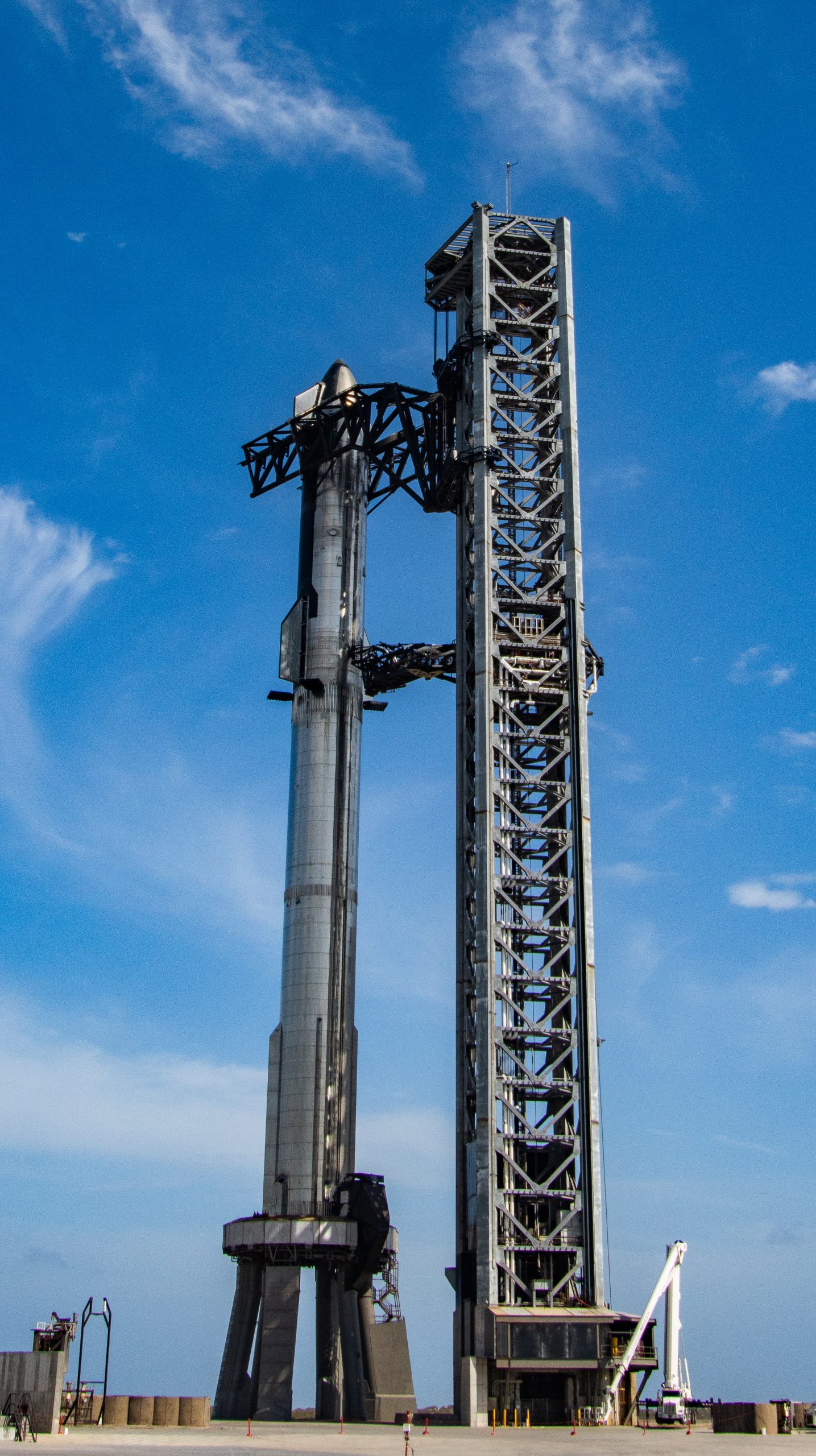
Starship flight to orbit has made headlines as it successfully reached orbit and deployed 26 Starlink V3 satellites. This milestone showcases advancements in space technology.
Overview of Starship’s 14th flight
SpaceX’s Starship flight to orbit has marked a significant milestone in the company’s ambitious space exploration program. On its 14th flight, the Starship successfully reached orbit and deployed a total of 26 Starlink V3 satellites, showcasing the vehicle’s capabilities and reliability.
This historic flight not only demonstrates SpaceX’s advancements in rocket technology but also underscores the company’s commitment to providing global internet coverage through its satellite constellation. The deployment of the Starlink satellites is a crucial step in enhancing broadband access for underserved regions around the world.
During the mission, the Starship was subjected to rigorous tests that validated its design and operational efficiencies. The flight was closely monitored by SpaceX engineers, who reported that all systems functioned within expected parameters.
As the Starship continues to evolve, each successful flight contributes to the overall safety and performance of future missions. With the completion of this successful Starship flight to orbit, SpaceX is poised to expand its satellite network and further its ambitions for interplanetary travel.
Key achievements from the flight include:
- Successful launch and deployment of 26 Starlink V3 satellites.
- Validation of Starship’s orbital capabilities.
- Progress towards enhanced global internet coverage.
Significance of reaching orbit
The successful Starship flight to orbit marks a significant milestone in space exploration and satellite deployment. This achievement not only demonstrates the capabilities of the Starship system but also highlights the importance of reliable access to space in the modern era.
With the deployment of 26 Starlink V3 satellites, this flight enhances global internet coverage, particularly in underserved areas. The implications of reaching orbit are profound, as increased connectivity can drive technological advancements, improve communication, and support various industries worldwide.
Moreover, this successful launch serves as a testament to the dedication and innovation of the teams involved in the Starship program. As space agencies and private companies worldwide look to expand their operations, the ability to conduct efficient and cost-effective flights to orbit is crucial.
The significance of this achievement extends beyond just commercial interests; it paves the way for future missions that could include crewed flights to the Moon, Mars, and beyond. As we continue to explore the final frontier, the Starship flight to orbit represents not only a step forward for SpaceX but also for humanity’s journey into space.
Deployment of Starlink V3 satellites
The recent Starship flight to orbit marked a significant achievement with the successful deployment of 26 Starlink V3 satellites. This mission not only underscores the capabilities of the Starship system but also reinforces SpaceX’s commitment to expanding global internet connectivity.
During the flight, the Starship rocket performed exceptionally well, demonstrating its potential for future missions. The deployment of the Starlink V3 satellites was a crucial step in expanding SpaceX’s broadband network, which aims to provide high-speed internet access to underserved areas around the world.
Key aspects of the deployment included:
- Precision Launch: The launch was executed with remarkable accuracy, ensuring that all satellites were placed in their designated orbits.
- Increased Capacity: The new satellites are designed to enhance the network’s capacity and reduce latency for users.
- Future Developments: This mission paves the way for more advanced satellite technologies and greater coverage in the coming years.
Overall, the successful deployment signifies a major milestone for the Starship program and the ongoing development of the Starlink constellation.
Future missions planned for Starship
Following the successful Starship flight to orbit and the deployment of 26 Starlink V3 satellites, SpaceX is already gearing up for future missions that aim to further expand its satellite constellation and refine its launch capabilities.
Upcoming missions are expected to focus on the following key objectives:
- Increased satellite launches: SpaceX plans to launch additional batches of Starlink satellites to enhance global internet coverage and improve service reliability.
- Research and development: Future flights will support various payloads for scientific research and technology demonstration, showcasing the versatility of the Starship platform.
- International partnerships: SpaceX is exploring collaborations with other countries and organizations to launch satellites that support global initiatives in telecommunications, environmental monitoring, and disaster response.
- Deep space missions: With the proven success of the Starship flight to orbit, plans for missions beyond Earth orbit, including potential missions to the Moon and Mars, are gaining momentum.
As SpaceX continues to innovate, the future of space exploration looks promising with Starship at the forefront of these ambitious endeavors.
Technological advancements in space travel
The recent Starship flight to orbit marks a significant milestone in technological advancements in space travel. This achievement not only demonstrates the capabilities of SpaceX’s latest rocket but also sets the stage for future innovations in the aerospace industry.
Key advancements contributing to the success of this mission include:
- Enhanced propulsion systems: The Raptor engines have been optimized for better fuel efficiency and thrust, allowing for more powerful launches.
- Reusable rocket technology: The design of Starship emphasizes reusability, significantly reducing the cost of space travel and enabling multiple missions in a short time frame.
- Advanced navigation systems: With improved guidance and control systems, Starship can achieve precise orbits and effectively deploy payloads like the 26 Starlink V3 satellites.
- Robust materials: The use of heat-resistant tiles and lightweight alloys enhances the durability of the spacecraft during re-entry and ensures safety for future missions.
As SpaceX continues to refine these technologies, the implications for commercial space travel and exploration become increasingly promising, paving the way for a new era in the cosmos.
Reactions from the space community
The recent Starship flight to orbit has generated significant excitement and praise within the space community. Experts and enthusiasts alike have taken to social media and various platforms to express their reactions to this monumental achievement.
- NASA Administrator: The successful flight demonstrates the potential of reusable rocket technology, paving the way for future exploration missions, including lunar and Martian endeavors.
- SpaceX CEO Elon Musk: Celebrated the deployment of 26 Starlink V3 satellites, emphasizing the importance of providing global internet coverage and enhancing communication capabilities.
- Aerospace Engineers: Many experts hailed the flight as a turning point for commercial space travel, believing it will open doors for new opportunities in satellite deployment and space tourism.
- International Space Agencies: Observers from various countries have noted the implications of this flight for international collaboration in space exploration, suggesting that partnerships may be strengthened as technology evolves.
The overwhelming support and interest from the space community underscore the importance of this mission, marking a significant step forward in the ongoing quest for advancements in space technology.
The recent Starship flight to orbit has demonstrated its capability to deploy multiple payloads efficiently. As a result, the Starship flight to orbit is now seen as a significant milestone in advancing satellite technology.
By Jenny Hautmann via Openverse
Sources
Related stories
Super Heavy rocket explosion: Worst incident in space history · TRAAC satellite news: Discover the Proven Impact Today · AI Regulation Impact: Is It the Right Solution for Safety?