

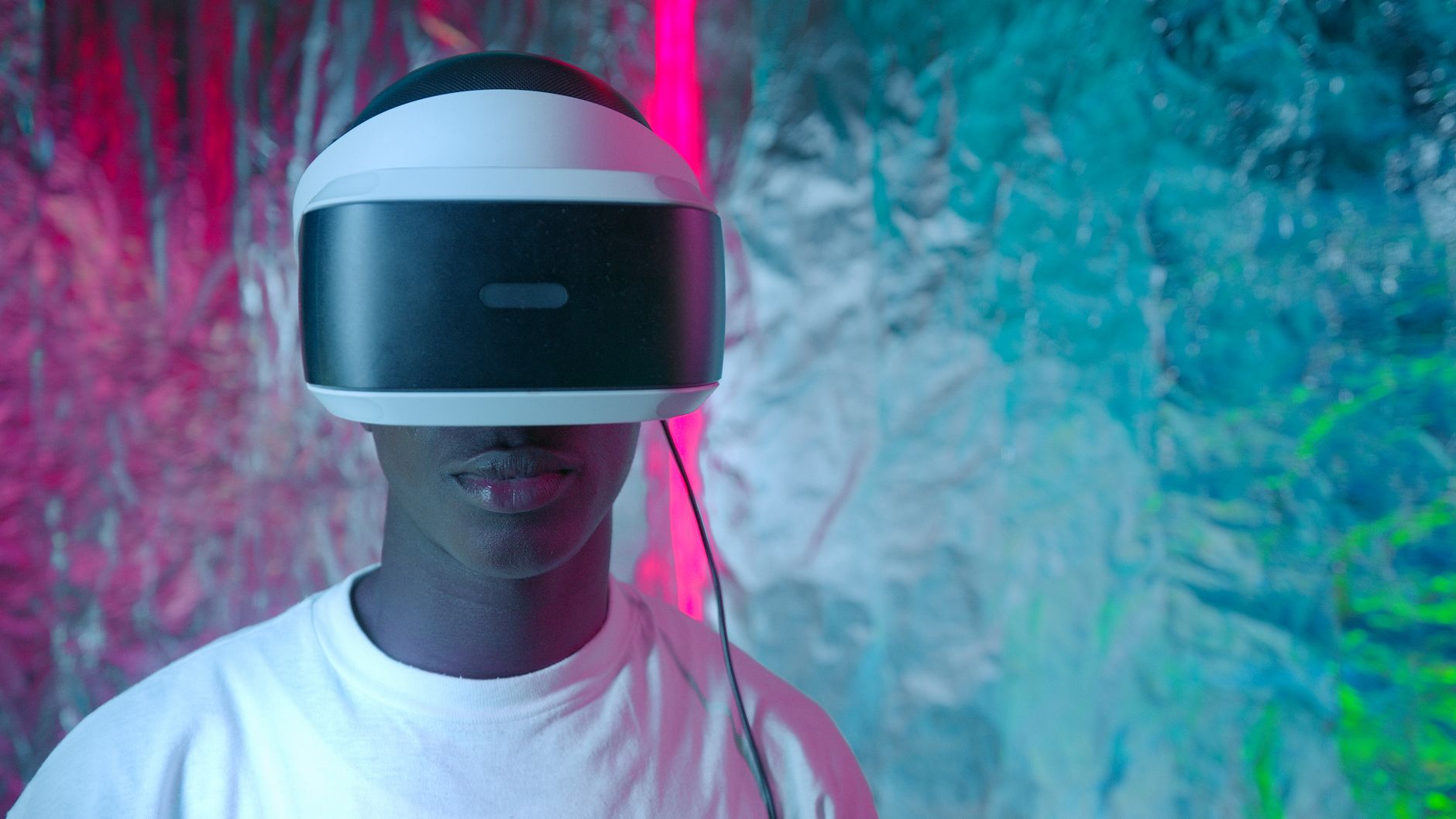
AI cloning video games is becoming a pressing issue, as it threatens to end public playtests for upcoming titles. This development raises concerns about the future of game testing and community engagement.
What is AI Cloning?
AI cloning refers to the use of artificial intelligence technologies to replicate and manipulate video game content, often without the permission of the original creators. This emerging trend has sparked significant concern within the gaming community, particularly regarding the integrity of public playtests.
As developers invite players to test their games before release, the risk of AI cloning can undermine this crucial phase. The potential for AI to generate near-identical copies of gameplay experiences raises questions about authenticity and originality.
Moreover, the impact of AI cloning extends beyond just playtests; it threatens the livelihood of developers who invest time and resources into creating unique gaming experiences.
Some key concerns surrounding AI cloning include:
- Loss of original content: AI may produce imitations that confuse players.
- Exploitation of intellectual property: Developers may struggle to protect their work.
- Impact on community engagement: Trust in public playtests could diminish.
Impact on Game Development
The emergence of AI cloning technologies poses significant challenges for game development, particularly impacting the integrity of public playtests. As these advanced systems can replicate gameplay mechanics and aesthetics rapidly, they undermine the unique creative processes that developers rely on during testing phases.
Developers often use public playtests to gather valuable feedback from players, but with the rise of AI cloning video games, there’s a risk that the authenticity of these sessions could be compromised. Clone games can flood the market, leading to:
- Confusion among players about which titles are original.
- Loss of potential revenue for developers as clones capitalize on their innovations.
- Decreased motivation for developers to innovate when their ideas are easily copied.
Ultimately, the threat of AI cloning could stifle creativity and hinder the collaborative nature of game development, leaving both developers and players at a disadvantage.
Community Reactions to AI
The gaming community has expressed significant concern over the implications of AI cloning video games. Players and developers alike worry that this technology could undermine the integrity of public playtests, which are essential for gathering honest feedback and refining gameplay.
Many community members have taken to forums and social media to voice their opinions. Some of the key points raised include:
- Loss of Authenticity: Players fear that AI cloning could replace genuine player experiences with artificial ones, leading to a lack of trust in playtest results.
- Potential for Exploitation: Developers are worried that AI-generated clones could be used to manipulate public perception, presenting a skewed version of their games.
- Impact on Indie Developers: Smaller studios may struggle to compete against AI clones, which could lead to a homogenization of game offerings.
As the debate continues, the future of public playtests hangs in the balance.
Future of Playtesting
The future of playtesting in the gaming industry faces significant challenges due to the rise of AI cloning video games. As developers increasingly rely on public playtests to gather feedback and improve their titles, the potential for AI-driven replicates threatens to undermine this essential process.
Key concerns surrounding AI cloning include:
- Authenticity: Playtests may become less reliable as cloned versions can mislead developers about genuine user experiences.
- Player Engagement: Gamers may feel less inclined to participate in playtests if they suspect their feedback could be exploited or overshadowed by AI-generated content.
- Intellectual Property Risks: The ease of cloning could lead to rampant copyright violations, further complicating the relationship between developers and their communities.
As the industry adapts to these emerging threats, the integrity of public playtests remains at risk, prompting urgent discussions about safeguarding the future of game development.
Navigating the New Gaming Landscape
As the gaming landscape evolves, the rise of AI cloning video games poses significant challenges for developers and players alike. With the ability to replicate game mechanics and aesthetics, AI cloning threatens the integrity of public playtests, which have long been a cornerstone of game development. These playtests provide invaluable feedback, allowing developers to refine their creations based on real player experiences.
However, the emergence of sophisticated AI technologies means that copied or imitated games can flood the market, making it increasingly difficult for original titles to stand out. This saturation not only undermines the hard work of developers but also dilutes the experiences available to players.
As a result, many in the gaming community are calling for new regulations and ethical standards to protect the originality of games and preserve the essence of public playtests, ensuring that innovation continues to thrive in the industry.
As developers grapple with the implications of AI cloning video games, the integrity of public playtests hangs in the balance. The potential for AI cloning video games to manipulate feedback could undermine the entire gaming development process.
Photo by Artem Podrez on Pexels
Sources
You might also like
GNU Linux-Libre 7.3: The Best Free Kernel for Your PC · GTA 6 Release Rumors Spark Excitement for Fans Ahead · AMD RDNA 5 Release: The Next Big Thing for Gamers