

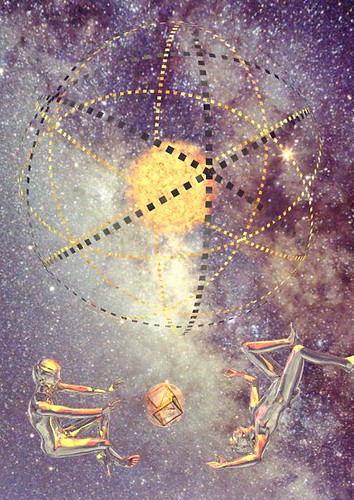
Solar system life expectancy has taken a surprising turn with new research indicating it’s a billion times shorter than previously thought. This revelation could have profound implications for our understanding of cosmic evolution.
New Research on Cosmic Timelines
Recent studies have brought alarming revelations regarding the solar system life expectancy, suggesting that our cosmic neighborhood may not be as enduring as previously thought. Researchers have discovered that the lifespan of the solar system is significantly shorter than earlier estimates, now projected to be a mere fraction of what scientists once believed.
Key findings from the research highlight the following points:
- Accelerated Stellar Activity: The Sun is entering a phase of increased activity, which could have drastic effects on the planets.
- Planetary Destabilization: Changes in the Sun’s output could lead to unstable conditions on Earth and other planets, impacting their habitability.
- Cosmic Events: The likelihood of catastrophic events, such as asteroid impacts or nearby supernovae, could further shorten the solar system life expectancy.
As scientists continue to study the dynamics of our solar environment, these findings serve as a sobering reminder of the universe’s unpredictability and the potential vulnerabilities of our home system.
Understanding Solar System Dynamics
Understanding the dynamics of the solar system is crucial for grasping its life expectancy. Recent findings suggest that the longevity of our solar system is significantly shorter than previously believed. Scientists have been investigating various factors that contribute to this reduction in lifespan.
Key elements influencing the solar system’s life expectancy include:
- Stellar Activity: The behavior of the sun plays a pivotal role in determining the stability of the planets.
- Gravitational Interactions: The gravitational pull from neighboring celestial bodies can impact the orbits of planets, potentially leading to catastrophic events.
- Cosmic Events: Supernovae and gamma-ray bursts in the vicinity can pose severe risks to the solar system’s structure and life.
- Planetary Changes: Geological and atmospheric changes on planets like Earth can affect their ability to sustain life.
As researchers delve deeper into these dynamics, the understanding of solar system life expectancy continues to evolve, highlighting the fragility of our cosmic neighborhood.
The Impact of Life Expectancy on Astronomy
The recent findings regarding the solar system life expectancy have significant implications for the field of astronomy. As scientists continue to unravel the mysteries of cosmic timelines, the revised estimates suggest that our solar system may not be as stable as previously believed. This information could redefine how we approach research in various astronomical disciplines.
Understanding the life expectancy of solar systems allows astronomers to gain insights into:
- The formation and evolution of celestial bodies
- The potential for extraterrestrial life
- The stability of planetary orbits
- The future of our own planet
With a life expectancy now estimated to be a billion times shorter, researchers are urged to reevaluate existing models and theories. This shift in perspective could lead to groundbreaking discoveries and a deeper understanding of the universe’s complexities, ultimately challenging our conception of time and existence in the cosmos.
Historical Perspectives on the Solar System
Historically, the solar system has been viewed as a vast and stable entity, with estimates of its life expectancy measured in billions of years. However, recent discoveries challenge this long-held perception. Studies of cosmic timelines have revealed that the solar system’s life expectancy may be significantly shorter than previously thought, prompting scientists to reevaluate their theories.
In the early 20th century, astronomers believed that the sun would continue to shine for about 10 billion years, providing a stable environment for life on Earth. Over the decades, this assumption led to a deeper understanding of planetary formation and evolution. However, advancements in technology and research have introduced new data suggesting that external cosmic events could drastically alter the solar system’s dynamics.
- Gravitational interactions with nearby stars can disrupt planetary orbits.
- Galactic events, such as supernovae, pose significant risks to solar stability.
- The potential for asteroid impacts remains a constant threat.
These factors combine to create a more complex picture of solar system life expectancy, raising questions about what the future holds for our celestial neighborhood.
Future Implications for Space Exploration
As researchers grapple with the new findings regarding the solar system life expectancy, the implications for future space exploration become increasingly significant. Understanding that our solar system may have a far shorter lifespan than previously thought raises critical questions about humanity’s place in the cosmos and our readiness to explore beyond our planetary boundaries.
Experts suggest that missions targeting other celestial bodies could become more urgent. Considerations include:
- Resource Utilization: Efficiently using resources from other planets and moons may be crucial for long-term survival.
- Technological Advancement: Accelerating the development of sustainable technologies for space travel will become paramount.
- Interstellar Exploration: The need to consider missions that extend beyond our solar system could redefine the scope of space exploration.
In light of the solar system life expectancy being significantly reduced, these factors urge scientists and policymakers to rethink priorities in space exploration, ensuring that humanity is prepared for whatever the future holds.
Key Discoveries in Recent Studies
Recent studies have unveiled alarming insights into the solar system life expectancy, suggesting a drastically shorter timeline than previously estimated. Key discoveries include:
- Rapid Stellar Evolution: New models indicate that neighboring stars may evolve more quickly than the solar system itself, potentially impacting gravitational dynamics.
- Planetary Instability: Research has shown that interactions between planets can lead to destabilization, affecting long-term habitability and the life expectancy of celestial bodies.
- Cosmic Events: The increased frequency of cosmic events, such as supernovae and gamma-ray bursts, poses a threat to the solar system’s longevity and could drastically reduce its life expectancy.
- Dark Matter Influence: Findings suggest that dark matter may play a significant role in the structural integrity of the solar system, contributing to its eventual fate.
These discoveries highlight the urgent need for ongoing research into the solar system’s life expectancy, as they could reshape our understanding of its future and the viability of space exploration.
Expert Opinions on the Findings
Experts in the field have expressed their concerns regarding the recent findings on solar system life expectancy. According to Dr. Elena Morris, an astrophysicist at the Cosmic Research Institute, “These revelations challenge long-held assumptions about the stability of our solar system. A shorter life expectancy than previously believed could have profound implications for our understanding of planetary formation and evolution.”
Similarly, Dr. Raj Patel, a leading researcher in planetary science, noted the importance of these findings for future space missions. “If our solar system’s life expectancy is indeed significantly reduced, we may need to rethink our timelines for exploration and habitation on other celestial bodies. This also raises questions about the sustainability of life on Earth,” he stated.
Moreover, Dr. Lisa Chen, an expert in astrobiology, emphasized the need for further investigation. “We must explore the factors contributing to this revised life expectancy. Understanding these dynamics can inform our search for life beyond our solar system,” she concluded.
Recent studies have shown alarming trends that could drastically alter our understanding of solar system life expectancy. As researchers delve deeper, the solar system life expectancy appears to be shorter than previously anticipated.
By Arenamontanus via Openverse
Read the original
Related stories
- Redmi 17C 5G launch: The Best Specs and Price Revealed
- Windows 11 Features: Best New Taskbar and Start Menu Updates
- Windows 11 update: The Best Proven Features of 26H2