

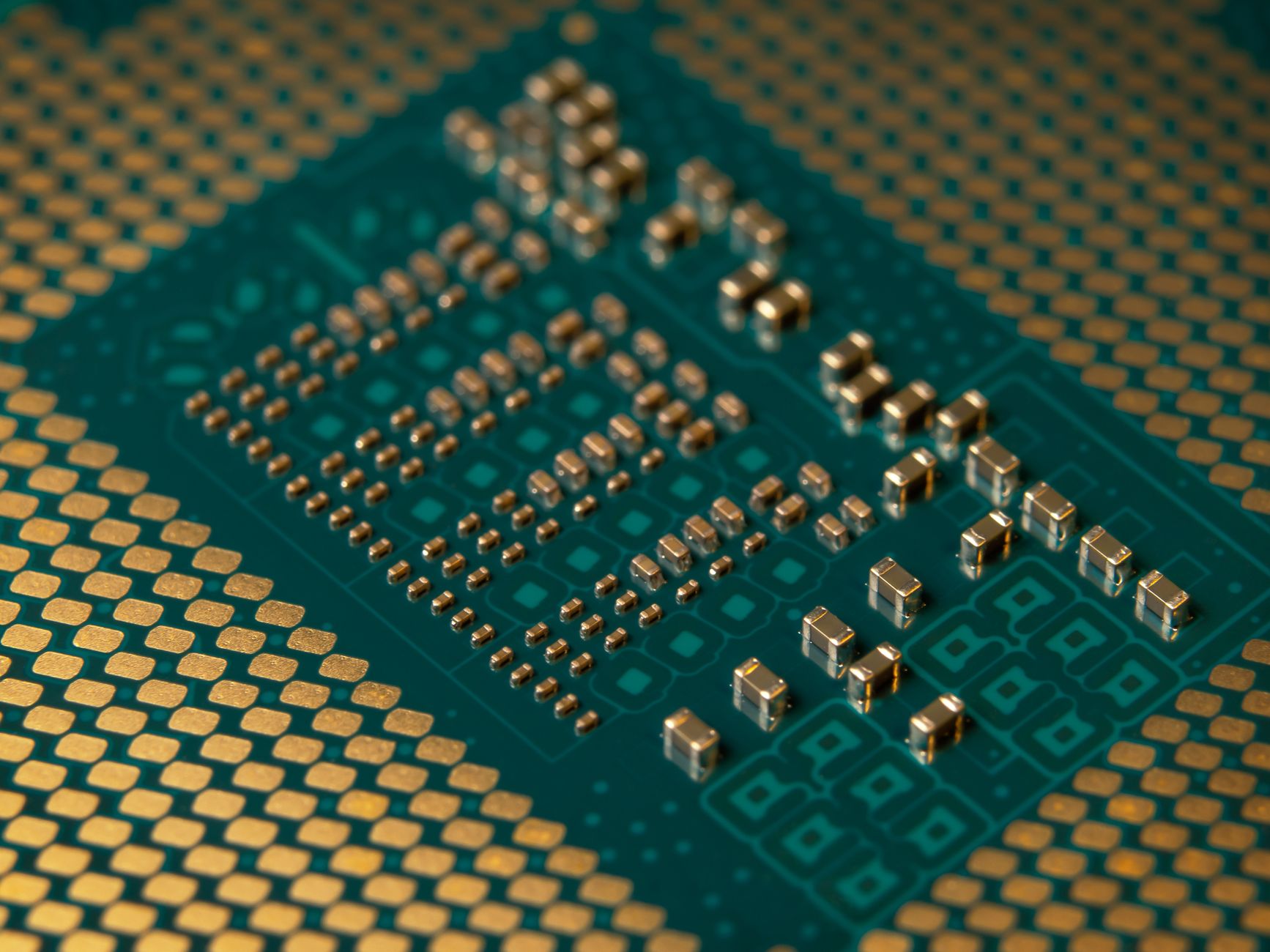
India semiconductor market is projected to hit $200 billion by 2035, showcasing significant growth potential in the tech industry. This report by EY-IESA highlights the country’s evolving landscape.
Overview of India’s Semiconductor Market
The India semiconductor market is poised for remarkable growth, with projections indicating it could reach a valuation of $200 billion by 2035. This remarkable forecast comes from a recent report by EY-IESA, underscoring the country’s potential to become a significant player in the global semiconductor industry.
Several factors contribute to the optimistic outlook for India’s semiconductor sector:
- Government Initiatives: The Indian government has launched various initiatives aimed at boosting domestic semiconductor manufacturing, including financial incentives and streamlined regulatory processes.
- Growing Demand: With the increasing adoption of electronic devices and the rise of technologies such as 5G, artificial intelligence, and the Internet of Things (IoT), the demand for semiconductors is expected to surge.
- Investment Opportunities: Major global companies are recognizing India as a viable destination for semiconductor manufacturing, leading to significant investments in infrastructure and technology.
- Skilled Workforce: India boasts a large pool of skilled engineers and technicians, which is essential for supporting the semiconductor manufacturing ecosystem.
As the world shifts towards digitalization, the India semiconductor market is set to play a crucial role in both economic development and technological advancement, positioning the country as a key player in the global supply chain.
Key Drivers of Growth
The India semiconductor market is poised for significant growth, driven by several key factors that are reshaping the landscape of the industry. As global demand for semiconductors continues to surge, India is strategically positioning itself to become a crucial player in the sector.
- Government Initiatives: The Indian government has launched various initiatives aimed at promoting semiconductor manufacturing. This includes financial incentives and policy support to attract foreign investment in the domestic semiconductor ecosystem.
- Rising Demand for Electronics: With the rapid adoption of consumer electronics, IoT devices, and electric vehicles, the demand for semiconductors is expected to skyrocket. This trend is driving local companies to invest in semiconductor production to meet the growing needs.
- Global Supply Chain Diversification: The ongoing global supply chain disruptions have prompted many companies to diversify their semiconductor sourcing. India is emerging as an attractive alternative for multinational corporations looking to establish manufacturing hubs.
- Skilled Workforce: India boasts a large pool of engineering talent and a robust educational framework. This skilled workforce is essential for supporting research and development in the semiconductor space, thus fostering innovation.
- Partnerships and Collaborations: Collaborations between Indian firms and international technology companies are paving the way for knowledge transfer and advanced technology adoption, further accelerating growth in the India semiconductor market.
These factors collectively contribute to a promising outlook for the industry, paving the way for India to reach its target of $200 billion by 2035.
Impact of Global Trends
The India semiconductor market is poised for transformative growth, influenced by various global trends that are reshaping the technology landscape. As demand for advanced electronics surges worldwide, India stands at the forefront, ready to leverage its growing capabilities in semiconductor manufacturing and design.
Several key global trends are impacting this sector:
- Increased Demand for Electronics: With the proliferation of smart devices, IoT applications, and 5G technology, the appetite for semiconductors has skyrocketed. Countries are increasingly investing in local production to meet this demand, presenting a significant opportunity for India’s semiconductor market.
- Supply Chain Diversification: The COVID-19 pandemic revealed vulnerabilities in global supply chains, prompting nations to diversify their semiconductor sources. India’s emphasis on self-reliance through initiatives like “Make in India” positions it as an attractive alternative for international companies looking for stable supply chains.
- Government Initiatives: The Indian government has launched several initiatives, including financial incentives and policy reforms, to attract foreign investment in semiconductor manufacturing. These efforts aim to build a robust ecosystem that supports domestic production and innovation.
As these global trends continue to evolve, they will significantly shape the trajectory of the India semiconductor market, paving the way for sustained growth and investment in the coming years.
Challenges Facing the Industry
The India semiconductor market is poised for significant growth, yet it faces several challenges that could impede its progress. Addressing these obstacles is crucial for the industry to realize its full potential and achieve the projected $200 billion valuation by 2035.
One major challenge is the lack of skilled workforce. The semiconductor industry requires highly specialized skills, and there is a notable shortage of qualified professionals in India. This gap hinders the ability of companies to innovate and compete effectively on a global scale.
Additionally, the high cost of fabrication facilities presents another hurdle. Establishing and maintaining semiconductor manufacturing plants demand substantial upfront investment, and many companies are hesitant to commit resources without guaranteed returns.
Supply chain disruptions, exacerbated by global events, also pose a significant threat. The pandemic has highlighted vulnerabilities in the supply chain, leading to delays and increased costs for manufacturers operating within the India semiconductor market.
Moreover, regulatory hurdles can complicate the establishment of new production facilities and limit the growth of the semiconductor ecosystem. Streamlining these regulations will be essential for attracting investment and fostering innovation.
In summary, while the India semiconductor market is on a growth trajectory, overcoming these challenges will be vital for sustaining momentum and achieving long-term success.
Investment Opportunities in Semiconductors
The India semiconductor market presents a wealth of investment opportunities that are becoming increasingly attractive to both domestic and international investors. With the market projected to reach $200 billion by 2035, the demand for semiconductors continues to soar, driven by technological advancements and the growing need for electronic devices.
Several key areas within the semiconductor industry are ripe for investment:
- Manufacturing Facilities: Establishing semiconductor fabrication plants (fabs) in India is a critical step towards self-sufficiency. The government’s initiative to provide incentives for setting up fabs is a significant boost for investors.
- Research and Development: Investing in R&D can lead to innovations in semiconductor technology, giving companies a competitive edge in the global market.
- Supply Chain Solutions: Developing a robust supply chain for materials and components can enhance operational efficiency and reduce costs, making it an appealing area for investment.
- Talent Development: The growing demand for skilled professionals in the semiconductor sector presents opportunities for investment in educational programs and training institutes.
As the India semiconductor market continues to expand, the potential for lucrative investments is substantial. With the right strategies and partnerships, investors can capitalize on this growth and contribute to establishing India as a significant player in the global semiconductor landscape.
Government Initiatives and Support
The India semiconductor market is witnessing significant government initiatives aimed at bolstering its growth and enhancing its global competitiveness. The Indian government has recognized the strategic importance of semiconductors in the digital economy and has rolled out various support measures to attract investments and encourage domestic manufacturing.
One of the key initiatives is the Production-Linked Incentive (PLI) scheme, which offers financial incentives to companies that manufacture semiconductor components in India. This scheme aims to reduce reliance on imports and promote self-sufficiency in semiconductor production.
Additionally, the government has launched the Semiconductor Mission, which focuses on developing a comprehensive ecosystem for semiconductor manufacturing. This mission aims to create a conducive environment for research and development, as well as to foster collaborations between industry and academia.
Other notable measures include:
- Tax incentives for semiconductor manufacturers to lower operational costs.
- Investment in infrastructure to support the growth of semiconductor fabrication plants.
- Partnerships with global tech firms to facilitate knowledge transfer and skill development.
These initiatives not only aim to position India as a significant player in the global semiconductor landscape but also contribute towards achieving the ambitious target of a $200 billion semiconductor market by 2035, as reported by EY-IESA.
Future Outlook for Semiconductor Sector
The future outlook for the India semiconductor market appears promising, with several factors poised to drive significant growth in the coming years. According to the latest EY-IESA report, the market is expected to reach an impressive $200 billion by 2035. This growth trajectory is underpinned by an increasing demand for electronic devices, the expansion of the Internet of Things (IoT), and advancements in artificial intelligence.
Furthermore, the Indian government’s strategic initiatives, such as the Production Linked Incentive (PLI) scheme, are expected to attract substantial foreign investment and encourage local manufacturing. These initiatives aim to create a robust semiconductor ecosystem that can meet both domestic and international demands.
However, realizing this potential will require addressing several challenges. Key among them are the need for skilled workforce development and the establishment of a comprehensive supply chain. The collaboration between academia, industry, and government is essential to foster innovation and research in semiconductor technology.
Additionally, as the global trends continue to evolve, India must navigate potential geopolitical tensions and competitive pressures from other semiconductor-producing nations. By focusing on sustainability and technological advancements, the India semiconductor market can position itself as a leader in the global landscape.
Overall, while challenges remain, the outlook for the semiconductor sector in India suggests a vibrant future fueled by innovation and strategic investments.
Conclusion and Key Takeaways
In conclusion, the India semiconductor market is on the cusp of significant transformation, with projections indicating that it could reach a remarkable $200 billion by 2035. This growth trajectory is driven by a combination of factors that include robust demand across various sectors, government initiatives aimed at boosting local manufacturing, and increasing foreign investments.
The key takeaways from the current landscape include:
- Strong Market Potential: With the digital revolution and the rise of smart technologies, India’s semiconductor market is poised for explosive growth.
- Government Support: Initiatives like the Production-Linked Incentive (PLI) scheme are crucial in attracting investments and fostering domestic production.
- Global Collaboration: International partnerships are enhancing technological capabilities and facilitating knowledge transfer, further solidifying India’s position in the global semiconductor supply chain.
- Addressing Challenges: While challenges such as infrastructure deficits and skilled labor shortages persist, focused efforts by stakeholders are essential to overcoming these hurdles.
- Investment Opportunities: The evolving landscape presents numerous opportunities for investors, particularly in areas like chip design, manufacturing, and research and development.
As India moves forward, the semiconductor market stands as a testament to the nation’s commitment to technological advancement and economic growth.
The India semiconductor market continues to attract significant investments from both domestic and international players. As the demand for advanced technologies rises, the India semiconductor market is poised for unprecedented expansion and innovation.
Photo by ed br on Pexels
References
datacenters.economictimes.indiatimes.com
Related stories
Final Fantasy VII Interview: Honest Insights from Naoki Hamaguchi · iOS 27 Camera Feature: The Best Upgrade for iPhone Users · AI model behavior: The Best Proven Framework for Reporting